
Govt moves to settle de Freitas case, nearly three decades after provision in civil service act declared unconstitutional

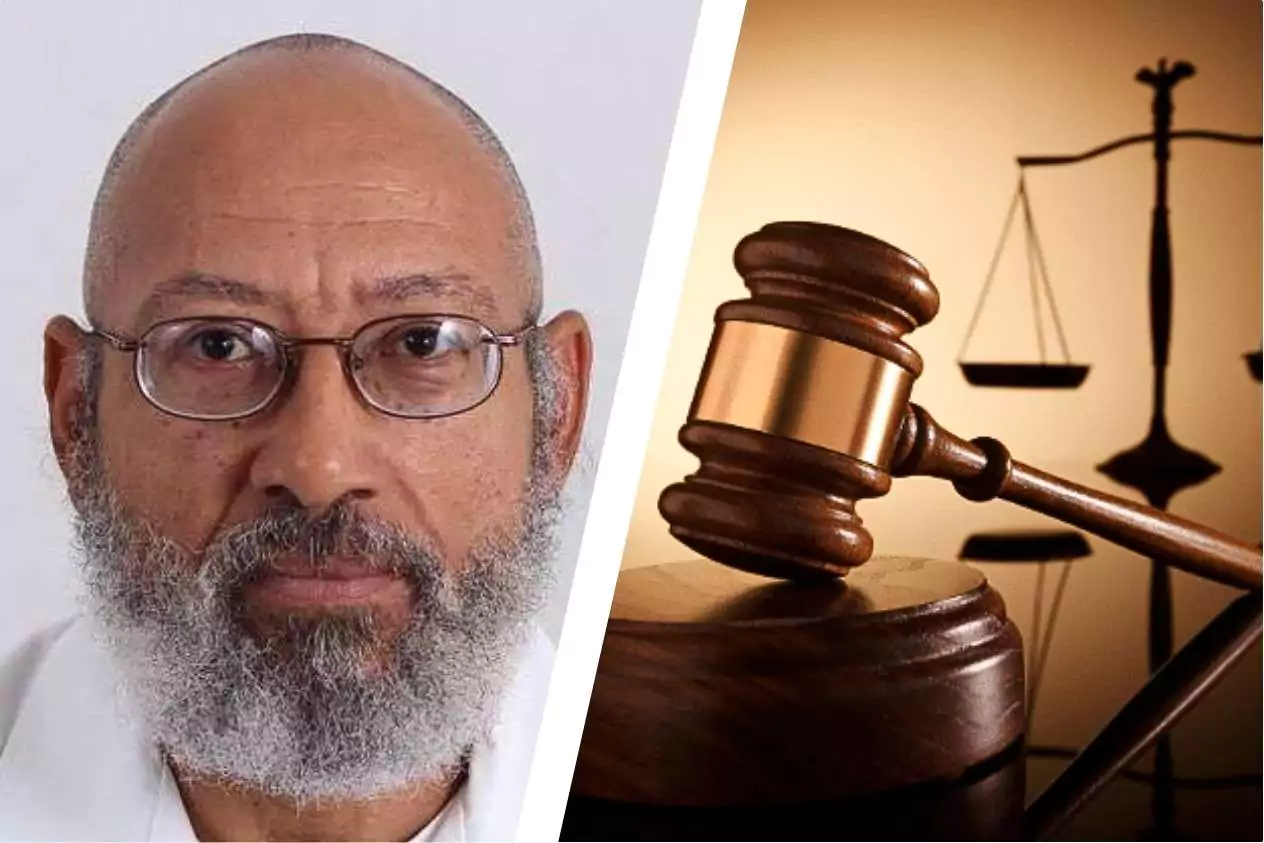
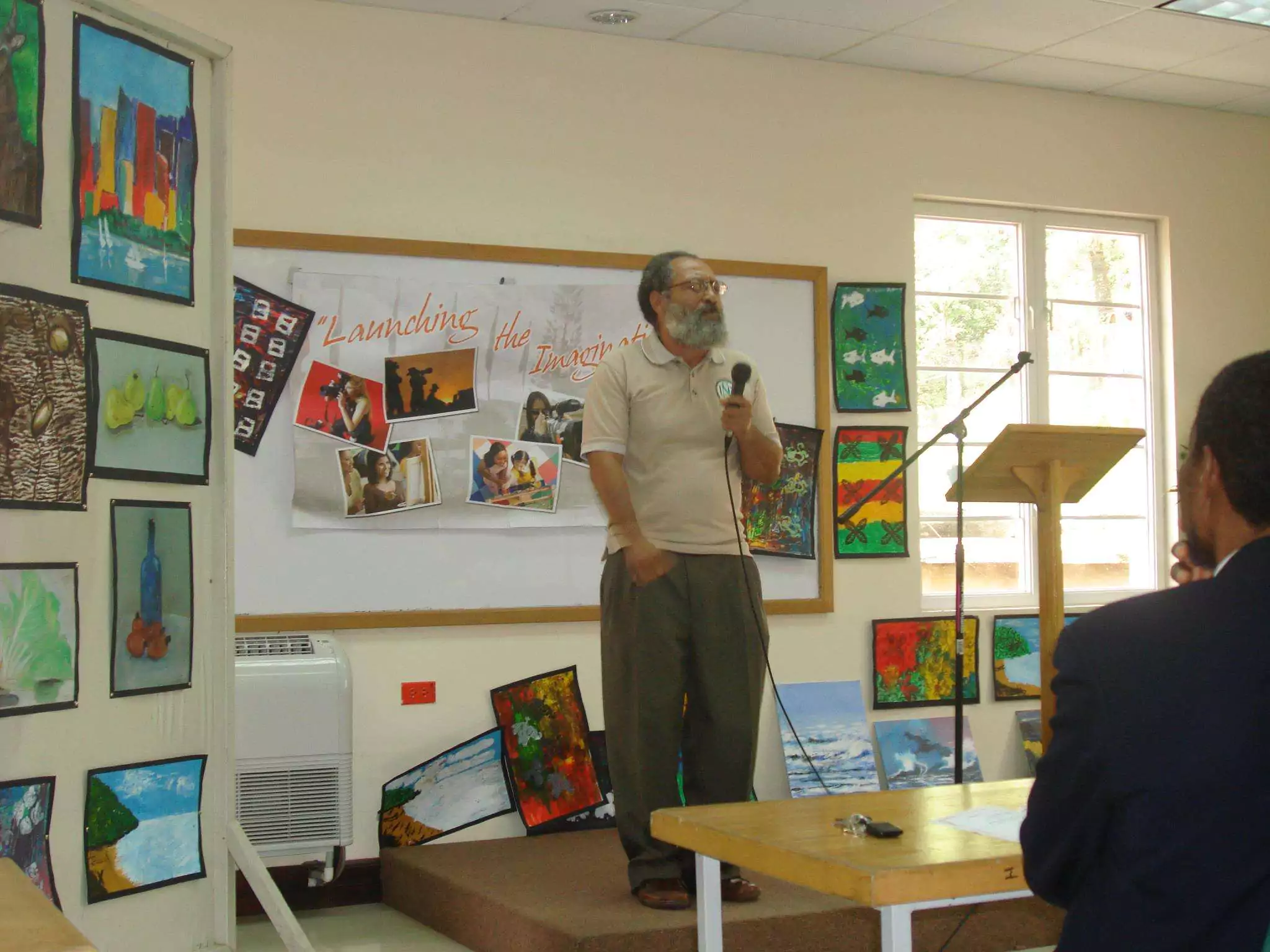
The government has reached a settlement in the long-running legal matter of Elloy de Freitas, ending a dispute that began in 1990 when a civil servant was disciplined for peacefully protesting alleged government corruption.
Prime Minister Gaston Browne’s administration confirmed this week that both parties have agreed to resolve all outstanding issues, including the payment of agreed legal costs, ending litigation that spanned multiple administrations and two separate courts.
However, the law at the heart of the case, declared unconstitutional by the Privy Council nearly three decades ago, has never been repealed.
The case, formally known as de Freitas v Permanent Secretary of the Ministry of Agriculture, Fisheries, Lands and Housing, originated in September 1990 when de Freitas, then an Extension Officer within the Ministry of Agriculture, participated in peaceful demonstrations drawing attention to allegations of government corruption that had emerged from a national commission of inquiry into the transshipment of weapons into Antigua.
The Permanent Secretary of the Ministry of Agriculture immediately cited de Freitas for breaching Section 10(2)(a) of the Civil Service Act, which prohibited civil servants from publishing opinions on matters of national or international political controversy, and initiated disciplinary proceedings against him which de Freitas challenged the action in court.
The late High Court Justice Albert Redhead ruled in his favour in 1993, finding Section 10(2)(a) unconstitutional.
The matter was appealed and eventually reached the Judicial Committee of the Privy Council, which in 1998 upheld the ruling, finding that a blanket restriction applied equally to every civil servant regardless of rank or function was excessive and not reasonably required for the proper performance of their duties.
The Privy Council judgment became a landmark decision across Commonwealth Caribbean jurisprudence, establishing what is now widely applied as a proportionality test for determining whether limitations on constitutional rights can be justified in a democratic society.
Despite that ruling, Section 10(2)(a) was never removed from the Civil Service Act.
The provision, which restricts civil servants from publicly expressing opinions on matters of national or international political controversy, continues to appear in the legislation more than 35 years after de Freitas first challenged it and more than 27 years after the Privy Council found it unconstitutional.
Cabinet stated this week that the settlement reflects a shared commitment to justice, reconciliation, and the protection of fundamental human rights, and that resolving the matter underscores the government’s commitment to upholding democratic principles and constitutional rights.
What the Cabinet notes did not address is when, or whether, the legislature intends to formally repeal the provision.
The Antigua and Barbuda Public Service Association has previously pressed for amendments to the Civil Service Act to address the matter.
This story was first published by Antigua News on : antigua.news/2026/03/12/govt-moves-to-settle-de-freitas-case-nearly-three-decades-after-provision-in-civil-service-act-declared-unconstitutional. © 2026 Antigua News. Republication without permission is not allowed.

About the author
The Editorial Staff refers to all reporters employed by Antigua.news. When an article is not an original creation of Antigua.news—such as when it is based on a press release, other media articles, letters to the editor, or court decisions—one of our staff members is responsible for overseeing its publication.
Read our editorial standards and corrections policy. Spotted an error? Contact the newsroom.
More from Antigua and Barbuda
View section
CDB Approves US$56.2 Million Loan for Education Upgrades in Antigua and Barbuda
Four schools will be expanded and rehabilitated under a project supporting resilient classrooms, mathematics instruction and teacher training.
By Shermain Bique-Charles

Police Assure Travellers Airport Will Remain Accessible During CHOGM
Traffic checkpoints near the Business Forum will guide vehicles rather than prevent passengers from reaching the terminal.
By Shermain Bique-Charles

More Than 400 Drivers Registered for CHOGM Transport Operation
Taxi operators and school bus drivers will help move thousands of participants between accommodation and conference venues.
By Shermain Bique-Charles

13-Year-Old Daniel Donawa Reunited With Family
The teenager has been reunited with his loved ones following a public appeal for assistance in locating him.
By Cory Wayland
Comments (9)
Pauline March 12, 2026, 8:33 PM
Hannah March 12, 2026, 8:34 PM
Amiah March 12, 2026, 8:34 PM
Hmmm March 12, 2026, 9:42 PM
Juanita March 14, 2026, 3:52 PM
Ash March 14, 2026, 3:54 PM
Tromos March 14, 2026, 9:20 PM
Concerned Antiguan March 16, 2026, 8:48 AM
Queen Charlotte March 16, 2026, 11:20 AM