
Historical figures on UK banknotes controversially to be replaced by wildlife imagery

By Mick the Ram
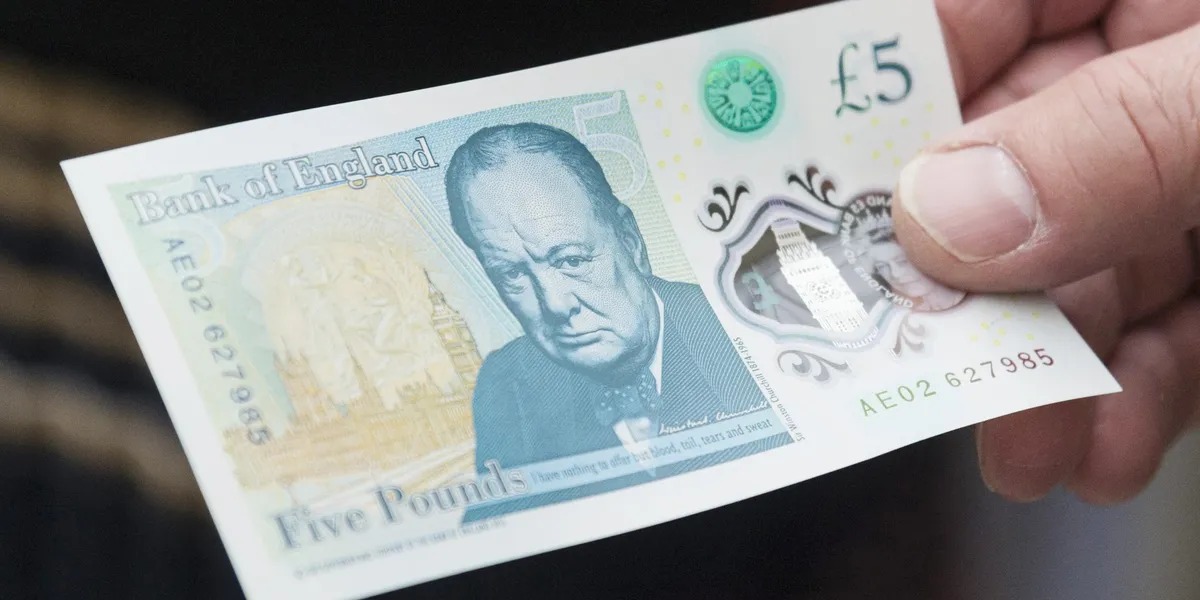
Nature is set to take centre stage on the next generation of UK banknotes, marking a significant shift in how the country represents itself through its currency.
For more than half a century, the reverse sides of Bank of England notes have featured celebrated historical figures such as: William Shakespeare, Winston Churchill, Jane Austen and Alan Turing.
However, that particular era is now drawing to a close as wildlife imagery is set to replaces human portraits across all future designs.
The decision by the Bank of England follows an extensive public consultation which drew more than 44,000 responses, with nature emerging as the most popular theme, receiving 60% of nominations and comfortably outperforming architecture, landmarks and those current historical figures.
End of tradition
Since 1970, when Shakespeare became the first historical figure to appear on a banknote, the UK has used its currency to honour national icons.
The shift to wildlife marks the end of that tradition and aims to avoid past controversies over representation, with have sparked debates on diversity, gender balance, and the political legacies of certain figures.
There has never been a historical figure who is black, or from an ethnic minority background on the Bank’s notes, so there is a school of thought which suggests the Bank’s bosses may feel they are less likely to face a backlash with choices of wildlife.
Bermudan influence?
The Bank may hope to match the success of Bermuda Monetary Authority’s $5 note, which was the latest winner of the International Bank Note Society’s banknote of the year award.
The note is predominantly pink and carries images of a blue marlin, dolphins and tuna fish as well as a profile of King Charles III. The back of the vertically designed note combines butterflies, flora, Horseshoe Bay and a boat passing beneath Somerset Bridge.
Anti-counterfeiting advantages
Beyond aesthetics, the Bank are emphasising that the replacement imagery are very much part of their anti-counterfeiting measures.
Natural patterns, textures, and colours offer more opportunities for sophisticated security features, making fraudulent reproduction more difficult.
Showcasing national identity
The new designs will showcase native British wildlife, including:
- Animals such as birds, mammals, and insects
- Plants and trees
- Landscapes representing the diversity of the Home Nations
It also aligns the UK with global trends with many countries using landscapes, animals, or natural motifs to express national identity.
Opposition unhappy
Many have called it overdue, noting that wildlife is deeply woven into British culture, from folklore to football club crests. Nevertheless, not everyone supports the change, including political leaders who argue that it diminishes national pride.
Kemi Badenoch, the Conservative leader, said: “I think that removing Churchill from banknotes is erasing our history. If anything, I think that they should be putting more historical figures on banknotes.
“I personally would quite like to see Margaret Thatcher on a banknote as I think she was Britain’s greatest peacetime prime minister; so changing the pictures to put wild animals on them is a silly thing to do. I absolutely do not support it.”
Reform UK’s leader Nigel Farage simply called the proposals “PC mad and loony”.
Still several years away
It is understood that household pets will not be included, ensuring the focus remains on species that reflect the UK’s natural heritage.
A panel of experts will draw up a wildlife shortlist to put before a public consultation to help determine which specific species appear on each denomination.
The final decision is made by the Bank’s governor, but it is likely to be a few years before the new notes enter circulation.
The Bank were quick to reassure the public that King Charles III will continue to appear on the front of the notes, maintaining the long-standing tradition of featuring the reigning monarch.
This story was first published by Antigua News on : antigua.news/2026/03/13/historical-figures-on-uk-banknotes-controversially-to-be-replaced-by-wildlife-imagery. © 2026 Antigua News. Republication without permission is not allowed.

About the author
Mick Burrows is an independent freelance author based in the UK, boasting over 20 years of experience in the online writing landscape. His extensive background has enabled him to develop a diverse range of material, marked by a unique and distinct style. Recognized as a platinum-level expert author by leading e-zine publications, Mick excels in optimizing content for Search Engine Optimization (SEO) through effective keyword density and distribution. He has served as the lead reviewer for a travel enterprise and the senior previewer at a sports prediction company, melding his passions for sport—particularly football and cricket—with his love for travel, having explored more than 50 countries worldwide.
Read our editorial standards and corrections policy. Spotted an error? Contact the newsroom.
More from World
View section
Kenyan Preacher Paul Mackenzie Convicted of Murdering 191 People in Shakahola Massacre
Former church leader found guilty alongside 28 others in a case involving the deaths of 190 children and one adult who were allegedly subjected to deadly religious fasting.
By Cory Wayland

Priest Speaks About Life and Death in Final Sermon Before Falling Crucifix Kills Him During Mass
Father Patricio Sánchez urged worshippers to cherish their time with God and loved ones before a large wooden crucifix fell and fatally struck him during a church service in Ecuador.
By Cory Wayland

Florida Attorney General James Uthmeier Announces Arrest Warrant for Former Cuban Leader Raúl Castro Over 1996 Aircraft Shootdown
James Uthmeier confirms murder conspiracy charge against the 95-year-old former president over the 1996 shootdown of two civilian aircraft that killed four men.
By Cory Wayland

France and Italy Count the Cost as Protests Turn Violent Across Europe
Burned public buildings and looted shops have overshadowed demands for better schools and relief from living costs, as unrest takes different forms across Europe.
By Editorial Staff
Comments
Be the first to comment.