
















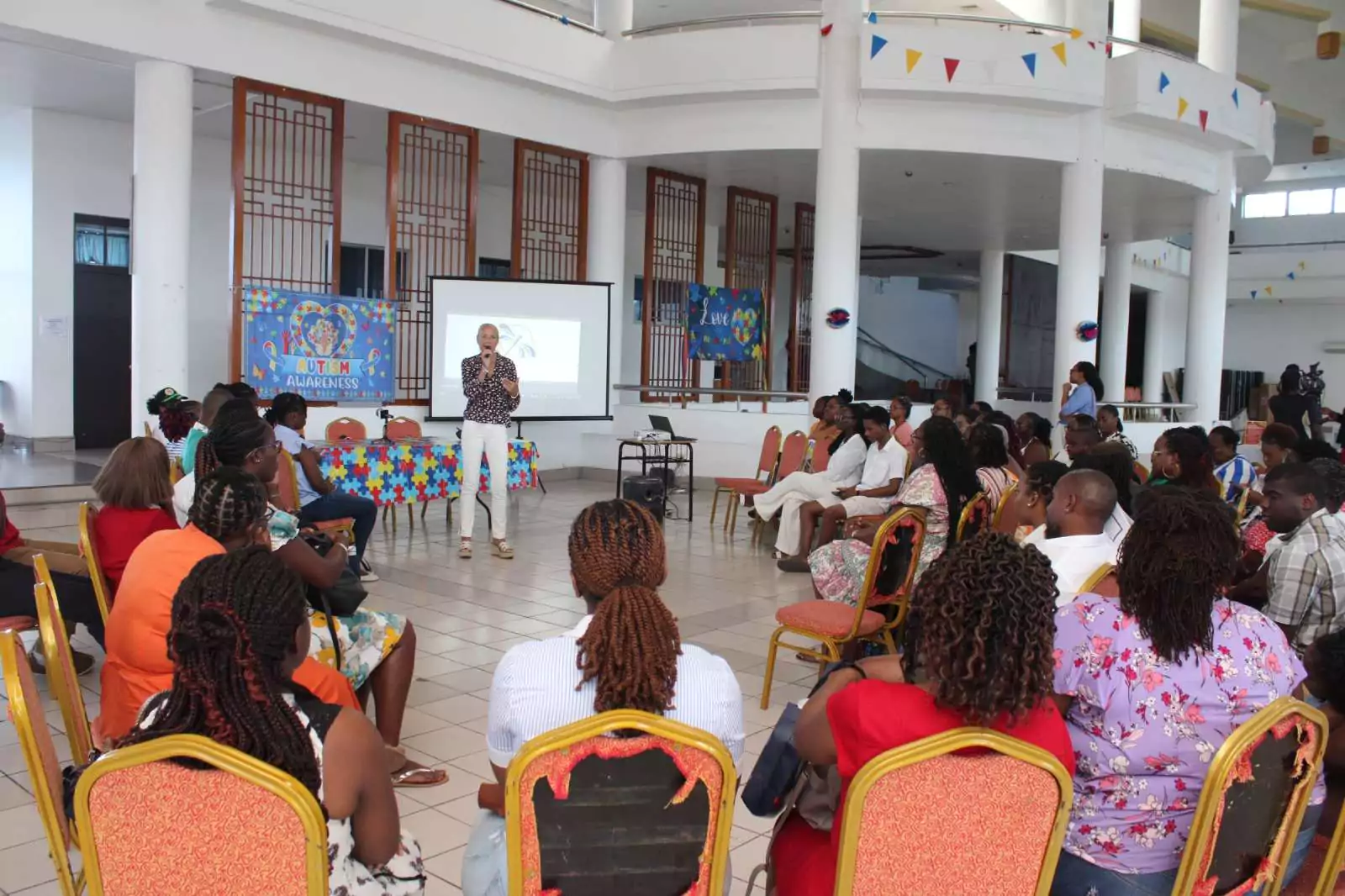
aregivers of children with autism gathered at the Multipurpose Cultural Centre on Sunday for a free retreat built on a single premise
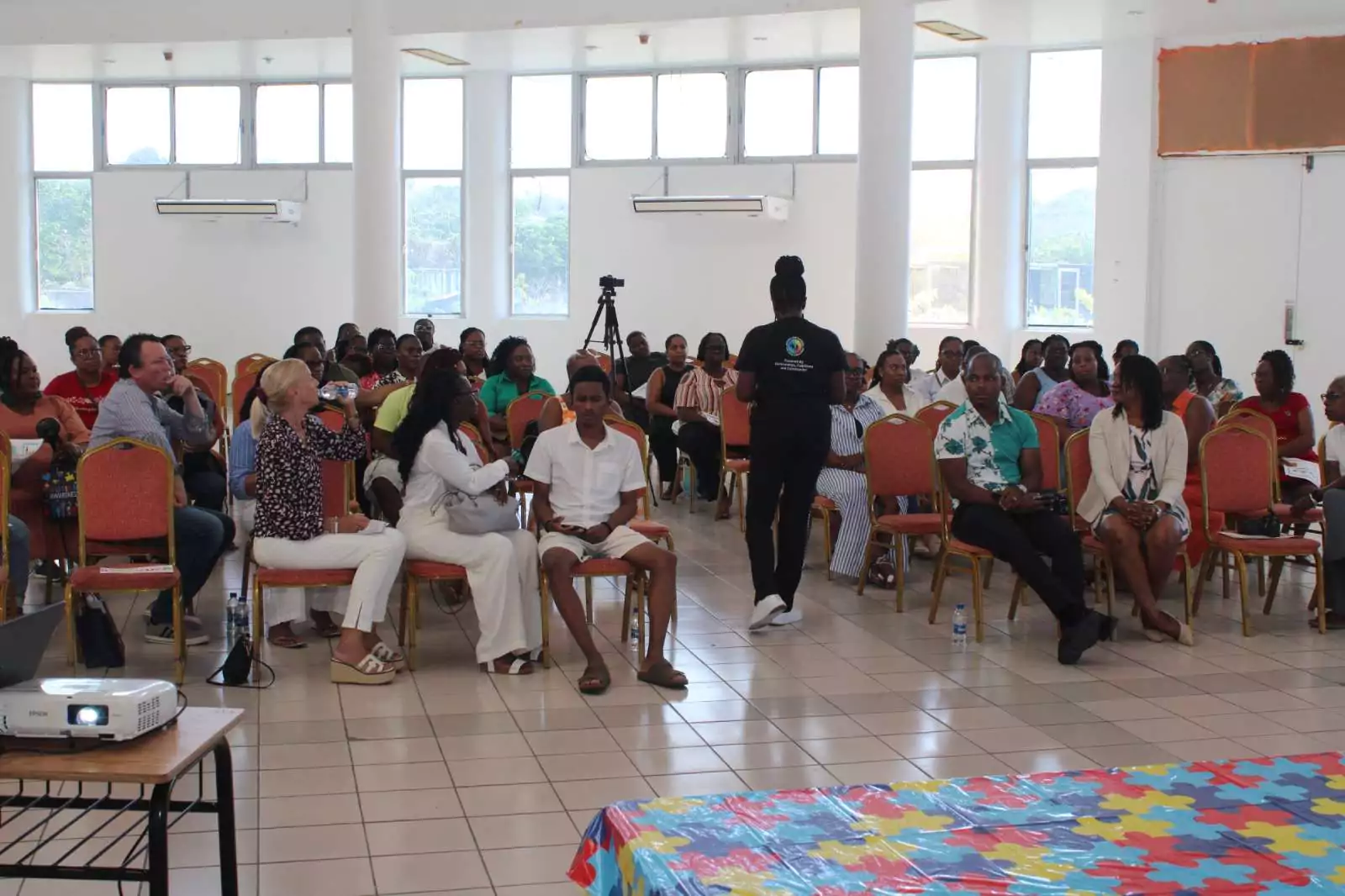
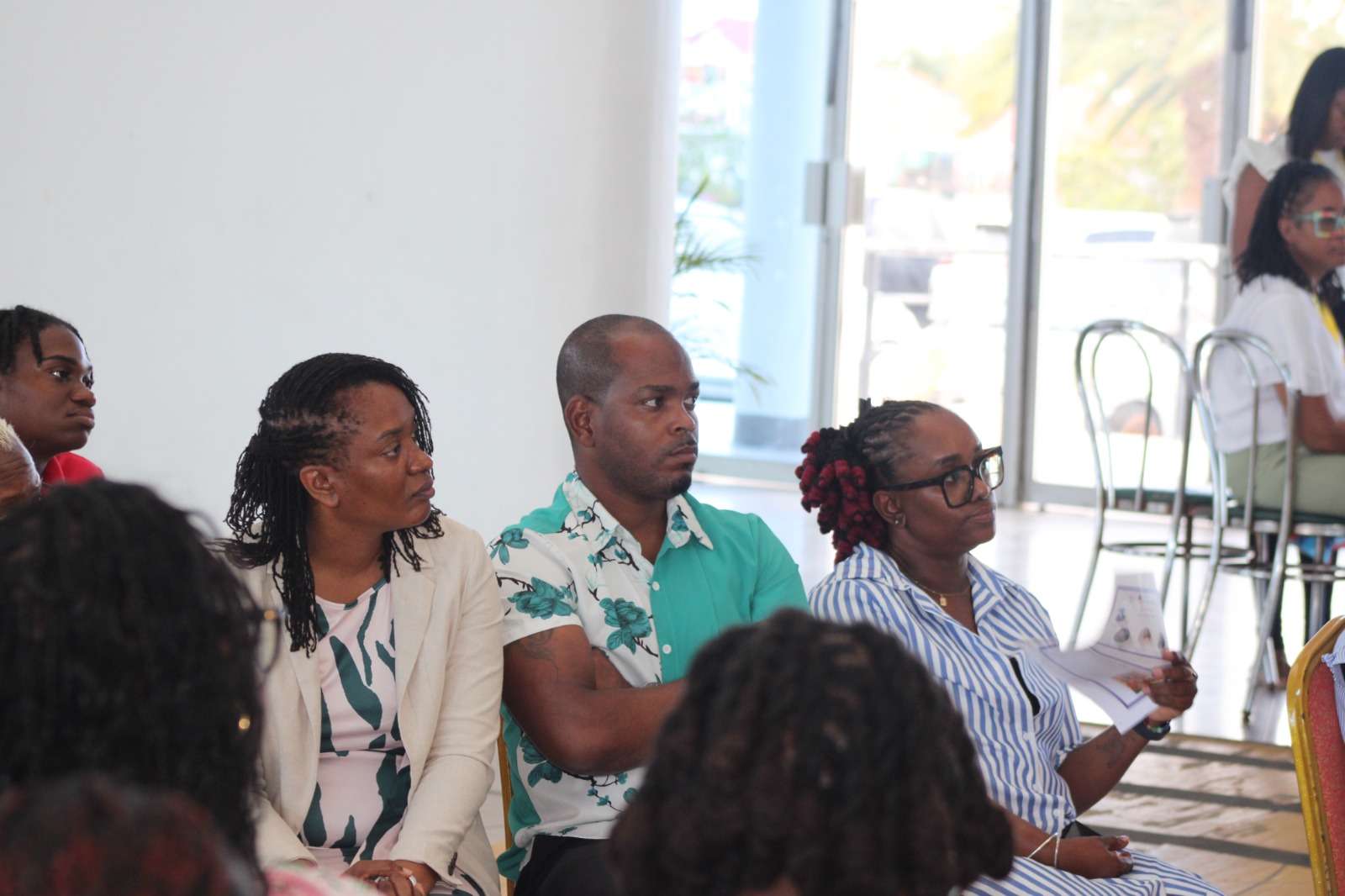
More than 100 parents and caregivers of children with autism gathered at the Multipurpose Cultural Centre on Sunday for a free retreat built on a single premise: that the wellbeing of a caregiver is not separate from the wellbeing of their child, but the foundation of it.
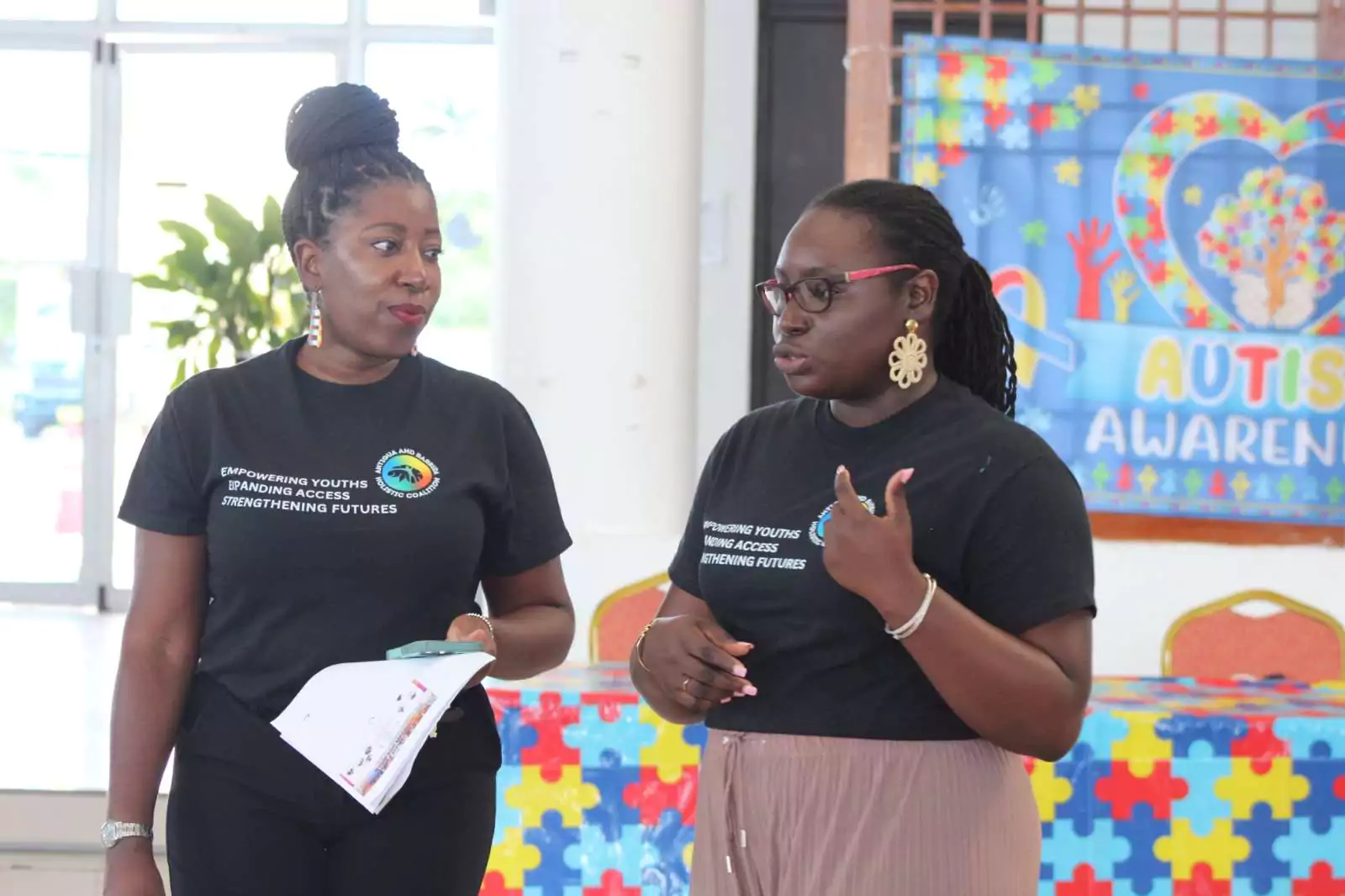
The event, organised by the Center for the Holistic Advancement of Therapeutic Services, the Antigua and Barbuda Holistic Coalition (ABHC), and the Directorate of Gender Affairs (DoGA), and funded by the Mill Reef Fund, brought clinical education, emotional support, and a candid assessment of the gaps in local autism resources to families who a pre-event survey showed are hungry for both information and help.
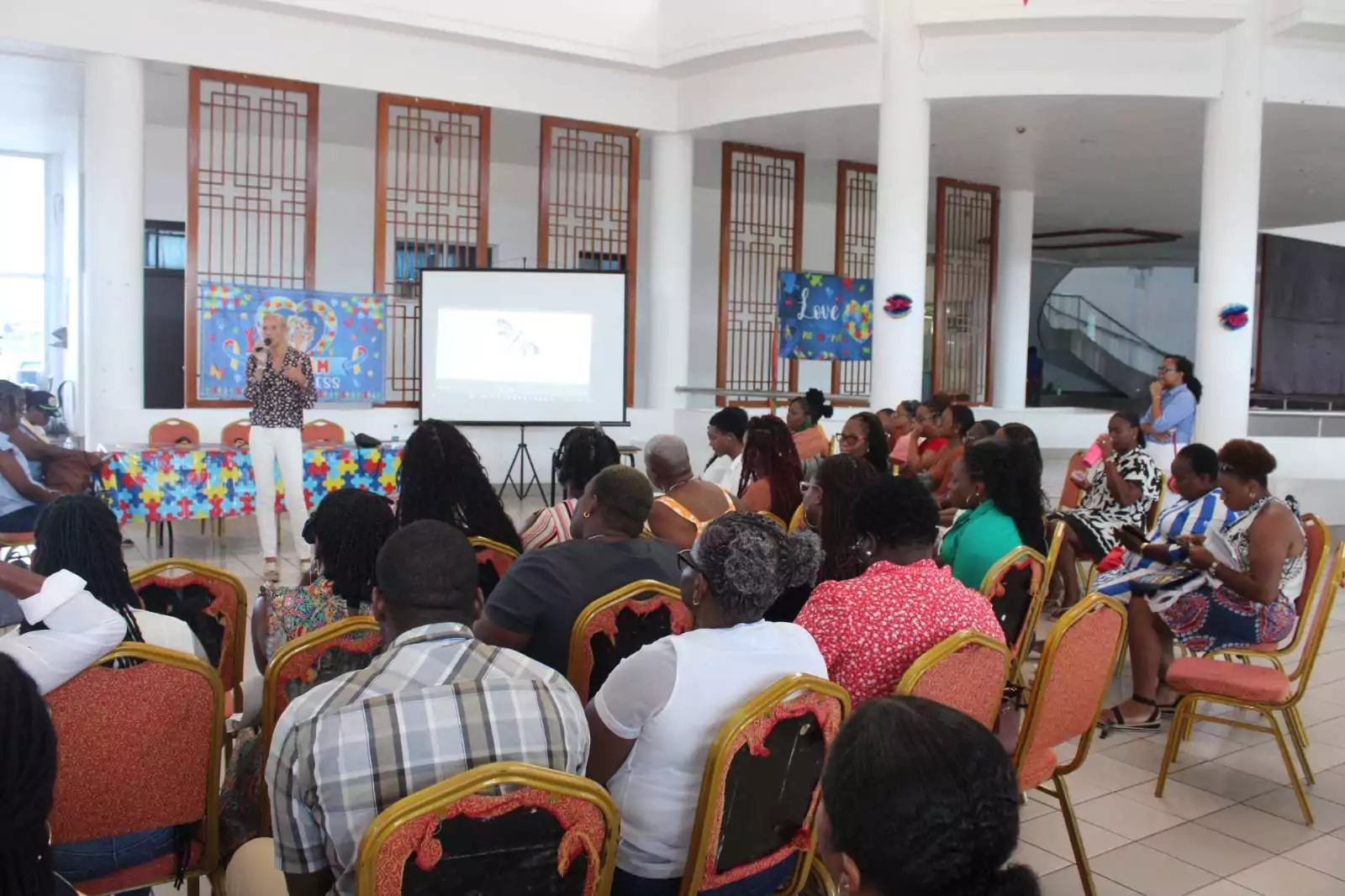
Lead presenter Cerene Prince, Licensed Clinical Social Worker and founder of the ABHC, set the tone from the outset.
“If you are not well, your child is not well,” she told attendees. “No matter whether autism, special needs, whatever it may be, even your adulthood needs you to be well.”
Prince, who brings over 20 years of experience working with children and families across the US and the Caribbean, delivered the session’s core content, covering the causes, classifications, and daily realities of autism spectrum disorder for children, adolescents, and adults.
She situated the discussion within a data gap she said Antigua and Barbuda has yet to close.
According to the World Health Organisation, approximately one in 127 individuals worldwide was living with autism as of 2021.

In the United States, the Centers for Disease Control estimates the condition affects one in 36 children and one in 45 adults.
Local data, Prince noted, remain elusive.
A pre-event survey of 100 registered participants revealed that 93 percent wanted information on resources for autism, the highest area of need identified.
Skills for parenting a child with autism ranked second at 88 percent, followed by autism in boys at 67 percent, mental health services at 62 percent, autism signs and symptoms at 59 percent, testing for autism at 55 percent, and autism in girls at 42 percent.
Prince walked participants through the three levels of autism spectrum disorder using locally grounded examples, stressing that a diagnosis does not indicate low intelligence.
She noted that several children in her clinical experience had tested with high IQs, with accurate assessment fundamentally changing their educational trajectories. She also cautioned parents against tunnel vision.
“A lot of times parents are so focused on autism, they forget that a child is facing anxiety, trauma, other comorbidities,” she said. “It’s really important that you see your child holistically.”
A segment on adolescents and adults drew pointed attention to the Caribbean specifically.
Prince said a significant number of adults she has treated in their twenties and thirties — many from the region — had gone their entire lives without a diagnosis.
“They said to me, I always felt like I was dumb,” she told the room. “Now I know.”
Dr. Shivon Belle-Jarvis, Medical Director of the Sir Lester Bird Medical Centre and Minister of Health Michael Joseph attended the conference, alongside Senator Abena St Luce as the organisers sought to educate attendees on the clinical dimensions of autism and the importance of early identification, linking the retreat to the broader public health system.
Of the 100 survey respondents, 63 percent identified as parents of a child with autism, 23 percent as caregivers supporting a child with autism, eight percent as caregivers supporting both a child and an adult with autism, and six percent as parents of an adult with autism.


Truly happy to see this happening in Antigua and Barbuda. May the Lord bless this endeavor
That is so very true. Sometimes I think employers can be more understanding in that regard