












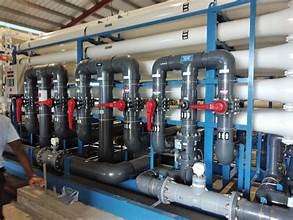
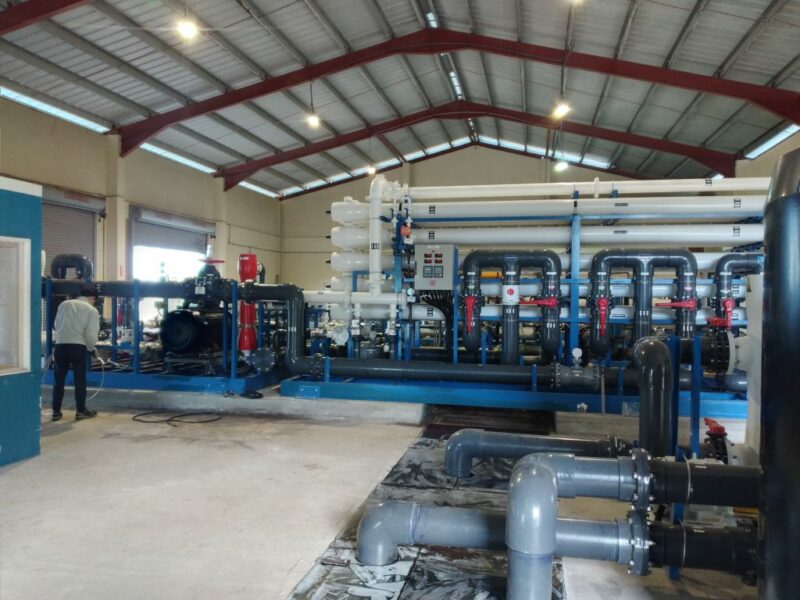
Ffryes Beach Reverse Osmosis Plant
The Government of Antigua and Barbuda says it is moving aggressively to strengthen the nation’s water supply system, with plans underway to increase daily potable water production to 14 million gallons before the end of the year.
The announcement came during the Throne Speech delivered Tuesday, where the Govorner General Sir Rodney Williams outlined ongoing investments in the Antigua Public Utilities Authority (APUA) and acknowledged the mounting challenges caused by drought conditions, climate change, aging infrastructure and growing demand for water across the country.
He described the provision of potable water as “one of the most daunting tasks” facing any small island developing state, particularly as Antigua and Barbuda continues to battle prolonged dry conditions and increased pressure on national resources.
According to the address, APUA’s water production capacity has expanded significantly over the past decade, rising from approximately 3.5 million gallons daily in 2014 to 11 million gallons daily today through the addition of four reverse osmosis plants.
“Before the end of this calendar year, my government will be providing 14 million gallons of portable water daily,” the speech declared.

However, Sir Rodney admitted that while production levels have improved substantially, delivering water consistently to homes and businesses remains a major hurdle due to the country’s aging underground pipeline network.
He noted that many of the existing pipes frequently rupture when water pressure increases and are buried beneath roads and streets throughout St. John’s and several communities.
Replacing those pipes has resulted in extensive road excavation, leading to complaints from residents and motorists over dusty, muddy and uneven road surfaces.
Despite the inconvenience, the administration appealed for patience as infrastructure upgrades continue.
“Every farmer knows if you wish to plant crops, you must first plow the earth,”he stated, while defending the ongoing works needed to modernize the water distribution system.
The ministry’s responsibility extends beyond residents to include hotels, restaurants, hospitals, schools, farmers, cruise ships and the expanding tourism sector, all of which continue to drive increased national water demand.


While production has increased visibly there are still people who continue to complain that they not getting water
And i dont have water in my yard for over 8 days. APUA please! Just cut it out….Ooops thats what you did pardon me