
World Bee Day today

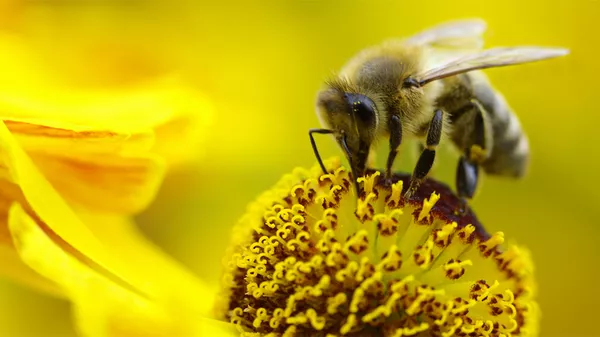
Since 2018, the United Nations has observed “World Bee Day”, in appreciation of the work done in apiculture (beekeeping) by the Slovenia Government, in collaboration with Apimondia.
The day is also recognized in honor of Anton Jansa (a Carniolan Apiarist and Slovenian pioneer of modern apiculture) for his revolutionary contribution to the modernization of beekeeping.
He was born on May 20, 1734 therefore, the UN General Assembly declared that date as the day to commemorate and specifically highlight the importance of bees and beekeeping.
This year’s theme, “Bee Engaged in Pollinator-friendly Agricultural Production” is very appropriate, especially as pollinators such as bees, butterflies, bats and hummingbirds are under very serious threat. In our region, bees are one of the main pollinators and probably one of the least understood insects. Although related to the wasp and ant they should never be considered as pests but rather as pollinators.
Here are some interesting facts about our pollinator friends.
- There are three main types of bees i.e., Queen, Drone and worker
- The average life span of a Queen is between 3-4 years
- A Queen can lay up to 800,000 eggs in her lifetime
- The average life span of a worker is 21 days
- Bees usually forage within a three-mile radius of their colony
- Bees can fly up to 12 miles per hour
- A single bee can produce one tablespoon of honey in its lifetime
- A Queen bee is the largest in the hive
- There can only be one Queen bee per hive
- A Queen bee only leaves the hive to mate
- There are at least 5,700 species of bees
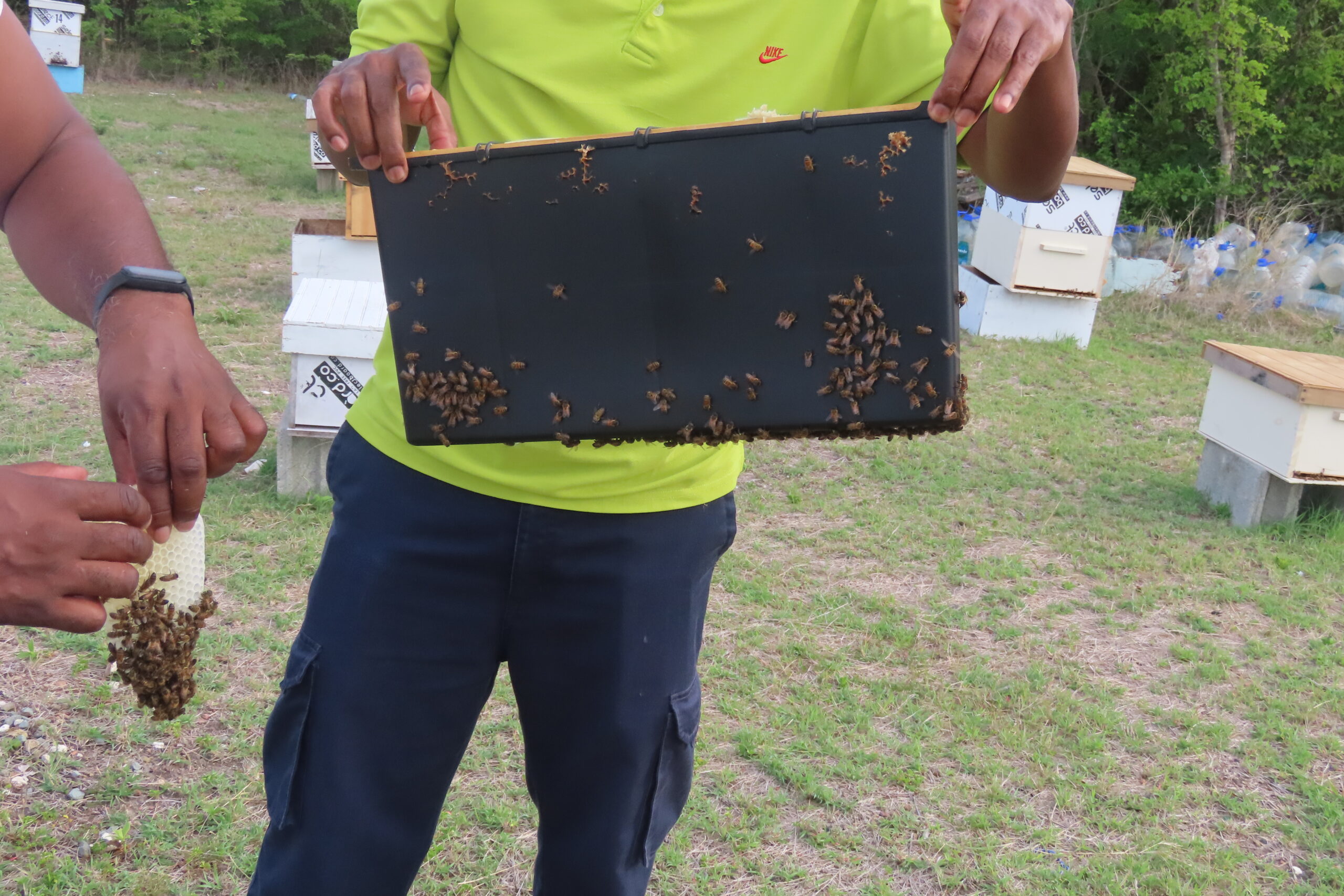
“If the bee disappeared off the face of the Earth, man would only have four years left to live.” So said Albert Einstein. More and more, many farmers here and abroad know and appreciate the importance of our winged, flying friends. According to Brent Georges, President of the Beekeepers Cooperative, the link between beekeeping and agriculture is a very significant one because crops require pollination for them to reproduce. Pollinators are significant participants in the cultivation of crops, especially tropical fruits such as mangoes and watermelons and contribute to the constant supply of food to include honey, wax, pollen, propolis and other products. “Today [when] Food Security is the talk of the year, it should not be underestimated, that bees and other pollinators are critical to our survival here in Antigua and Barbuda [and should be treated as such]. So, in recognition of World Bee Day, we place special emphasis on the protection of our local bee population.”
Einstein also said that “without bees the world would perish.” Here in Antigua and Barbuda it is estimated that over 70% of what we produce and consume depend on pollination by bees.
We are at a disadvantage if we become oblivious to our environment and its occupants, both living and non-living. The onus is therefore on us to become informed about the Honeybee, our pollinating ally.
This story was first published by Antigua News on : antigua.news/2023/05/20/world-bee-day-today. © 2023 Antigua News. Republication without permission is not allowed.

About the author
The Editorial Staff refers to all reporters employed by Antigua.news. When an article is not an original creation of Antigua.news—such as when it is based on a press release, other media articles, letters to the editor, or court decisions—one of our staff members is responsible for overseeing its publication.
Read our editorial standards and corrections policy. Spotted an error? Contact the newsroom.
More from World
View section
From Coaster Buses to Driverless Technology: China Offers a Glimpse Into the Future of Public Transportation
A striking contrast between the familiar coaster bus and a modern self-driving vehicle highlights how rapidly technology is transforming public transportation in China.
By Cory Wayland

Pope Leo XIV to Undergo Surgery to Remove Lung Nodule
The 71-year-old pontiff announced the operation after Sunday’s Angelus. The nodule was found during recent medical checks and, he said, detected at an early stage.
By Dario Item

Afreximbank extends EUR 40-million revolving working capital facili-ty to support Cameroon’s Prometal SA
Afreximbank’s EUR 40-million revolving facility will support Prometal SA’s steel production expansion and strengthen manufacturing capacity in Cameroon.
By Editorial Staff

Passengers Subdue Co-Pilot Accused of Trying to Crash Israel-Bound Flight
The flydubai aircraft plunged thousands of feet during a violent cockpit incident before making an emergency landing in Saudi Arabia.
By Cory Wayland
Comments
Be the first to comment.