










By Eddelia Bontiff
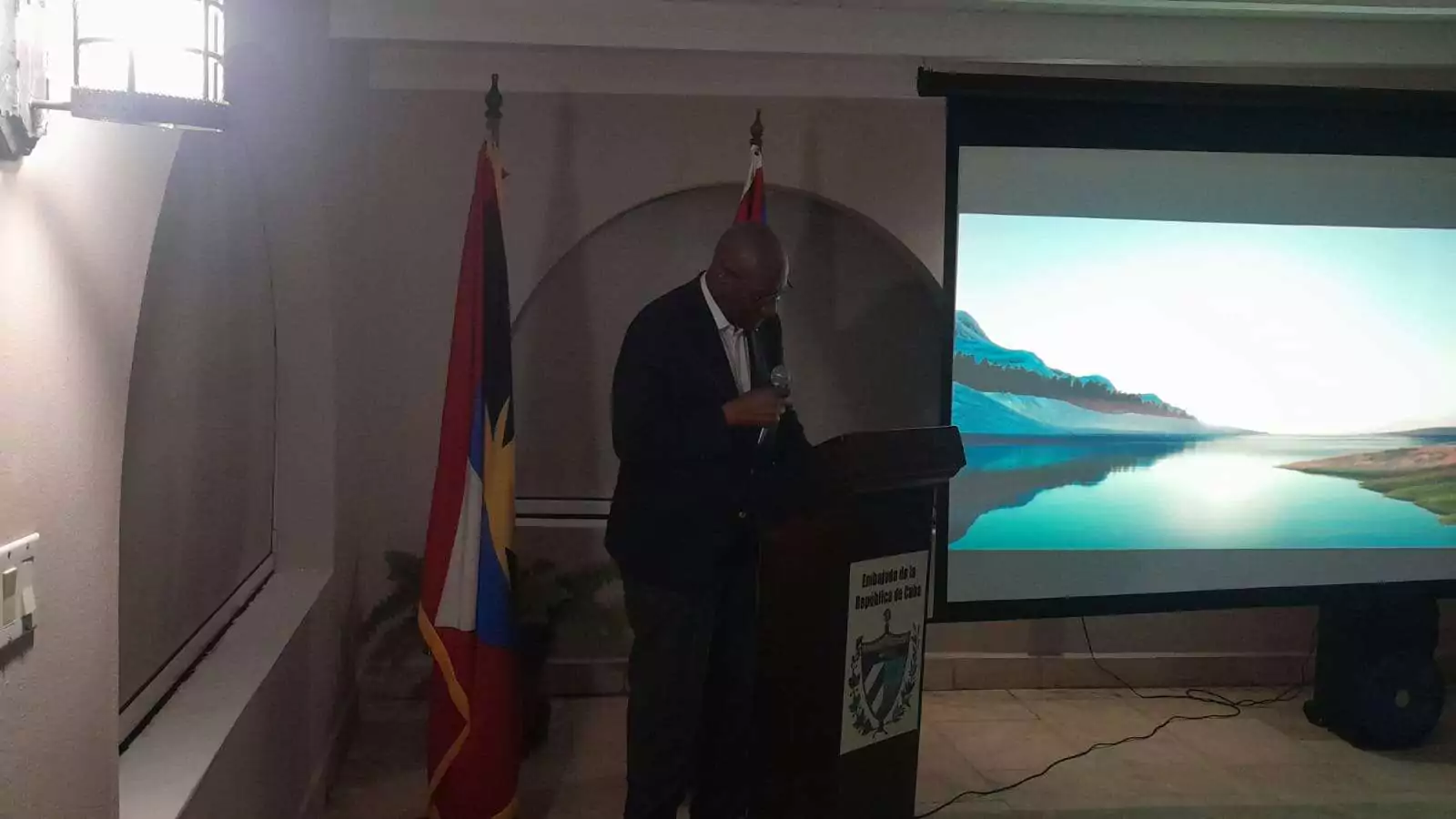
A documentary highlighting Cuba’s humanitarian programme to treat thousands of children affected by the 1986 Chernobyl nuclear disaster was screened at the Cuban Embassy in Antigua and Barbuda on July 30.
The film, titled Sasha, recounts Cuba’s decades-long medical mission and its role in providing free treatment to children who developed serious illnesses following the explosion at the Chernobyl Nuclear Power Plant on April 26, 1986.
At the centre of the documentary is Sasha, a former patient who reflects on the life-changing care he received in Cuba as a child. Now an adult with a wife and two children, his story illustrates the lasting impact of the humanitarian programme.
Cuba launched the initiative in 1990, offering treatment to children suffering from radiation-related conditions, including leukaemia, cancer, vitiligo, psoriasis and other illnesses.
Between 1990 and 2011, approximately 26,000 Ukrainian children reportedly received medical care through what became known as the Chernobyl Children Programme.
Many travelled to Cuba with parents or close relatives and were provided with comprehensive treatment at no cost.
Through interviews with former patients, relatives and medical professionals, the documentary explores the experiences of the children and the compassion shown by Cuban healthcare workers during one of Europe’s worst nuclear disasters.
Sasha later graduated from medical school in Cuba, married a Cuban woman and started a family, further demonstrating how the programme affected his life beyond the medical treatment he received.
Cuban Ambassador to Antigua and Barbuda Sergio Martínez González said the documentary serves as a reminder of the importance of solidarity, humanitarian assistance and international cooperation during times of crisis.

“From its very beginnings, the Cuban Revolution, led by its historic leader Fidel Castro, raised the banners of internationalism, solidarity among peoples and cooperation among the countries of the so-called Global South as the undeniable path to promoting the economic and social development of our nations and peoples,” Martínez said.
He said the programme demonstrated how countries can work together to bring hope and healing to vulnerable communities, regardless of political or geographical boundaries.
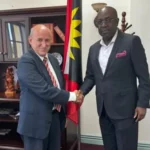
The screening was attended by several dignitaries, including Governor General Sir Rodney Williams, who delivered brief remarks, Speaker of the House of Representatives Osbert Frederick, members of Parliament, Senator Malaka Parker, diplomats and senior healthcare officials.
Among those attending were Medical Director of the Sir Lester Bird Medical Centre Dr Shivon Belle-Jarvis, members of the Cuban community and friends of Cuba.
During his address, Ambassador Martínez said Cuba’s commitment to international solidarity remains a guiding principle of the country’s foreign policy.
He praised the Cuban people for their willingness to extend a helping hand to those in need while continuing to speak out against injustice around the world.
The ambassador also renewed Cuba’s call for governments, political organisations, civil society groups and citizens to defend national sovereignty and international cooperation.
He criticised United States policies that he said have placed economic and social pressure on Cuba and urged the international community to reject actions that threaten the independence of nations.
Martínez thanked those who attended the screening, saying the turnout reflected the longstanding friendship between Antigua and Barbuda and Cuba.
He described their presence as a clear demonstration of the solidarity that has historically existed between the peoples of both countries and expressed appreciation for their continued support and cooperation.


Waw first time hearing about this explosion. I would love to see the documentary
Question to the ambassador, So is this program still available for children extended to hospitals globally?
Cubans need to be more recognized for the humanitarian efforts they often make around the world.
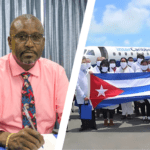
new documentary highlights Cuba’s humanitarian programme that provided medical treatment to thousands of children affected by the Chernobyl disaster.