











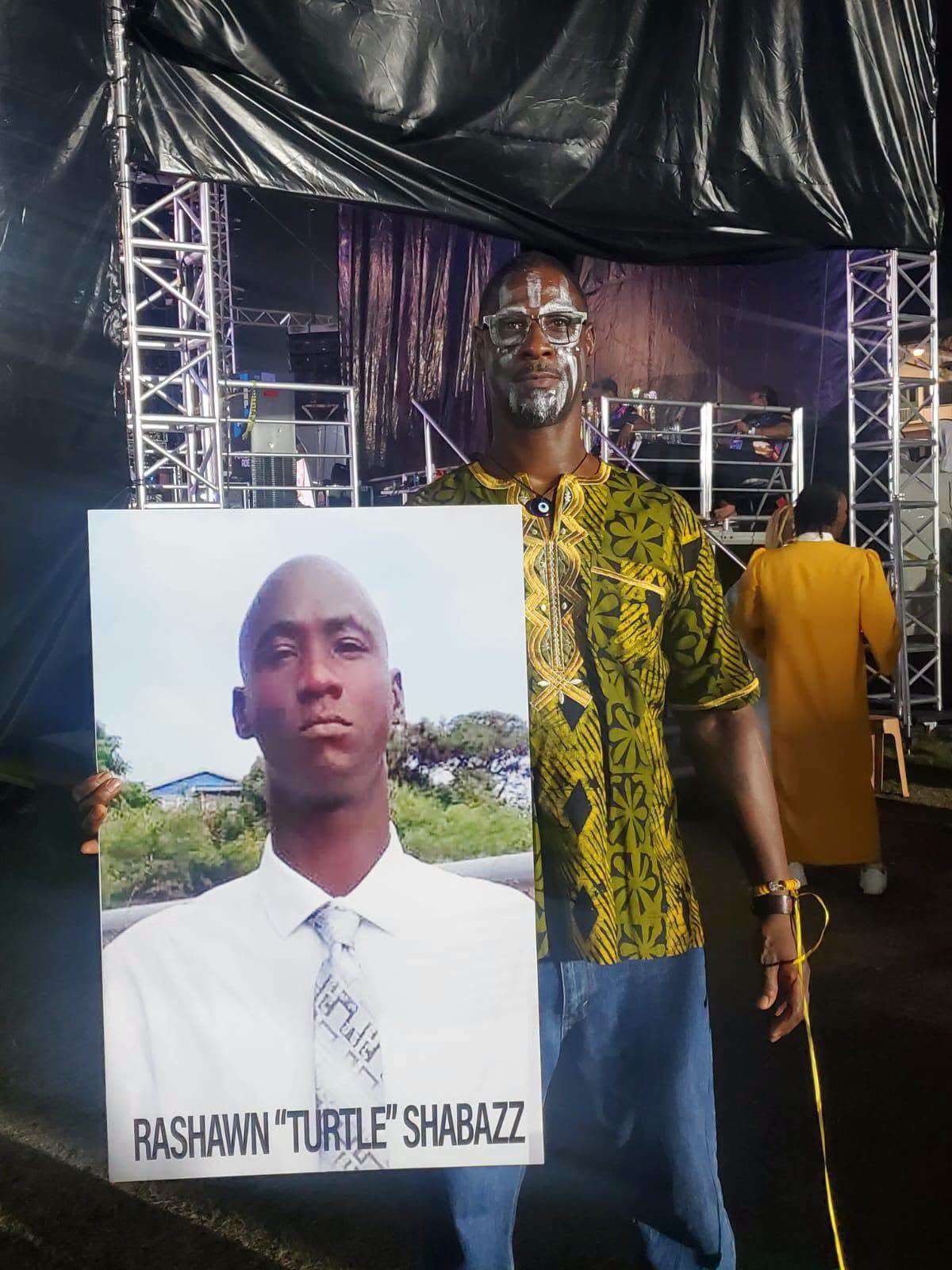
Khalid Shabazz, the father of the late Rashawn Shabazz, says Antigua and Barbuda is facing a mental health crisis that requires more than what he describes as temporary and surface-level responses.
Speaking to Observer Media, Shabazz said the country has repeatedly failed to address the root causes of serious mental health and social issues, arguing that promises are often made without meaningful action to follow.
“I think we’re at a crisis when it comes to mental health in our society,” Shabazz said. “We provide around here a lot of surface, window-dressing type of solutions, and then we don’t get to the very heart and the very core of the problems that we’re facing. It seems like we’re okay with promises, and it’s unfortunate.”
Shabazz, whose son Rashawn was a known mental health patient, said issues surrounding mental health and justice are often highlighted publicly for a period before attention fades without lasting solutions being put in place.
“They talk this up in the media and they sensationalize these issues. And then we talk about it for a little while and we get no real solution,” he said.
Shabazz also spoke about his son’s history with the mental health system, claiming that magistrates had ordered Rashawn to be admitted to Clarevue Psychiatric Hospital for treatment on more than one occasion.
He said one such order was made by the late Magistrate Conliffe Clarke following an earlier shooting incident involving Rashawn.
According to Shabazz, his son was eventually released from Clarevue after a new head of the institution indicated that patients could no longer be accommodated for extended periods because of limited space.

He said Rashawn later relapsed after he stopped taking his medication consistently.
Shabazz argued that the circumstances point to a wider problem with how people experiencing serious mental health challenges are managed, particularly those who may become aggressive when they are not receiving treatment or taking prescribed medication.
“There’s been too much issues with mental health patients, especially those who are aggressive,” he said. “It is unwise for us to have them in the public space, especially if we know that if they don’t take their medication, there’s a possibility of an incident or incidences.”
Shabazz also expressed frustration over what he said has been a lack of communication from the relevant authorities regarding his son’s case.
He told Observer Media that despite reaching out, he has not been contacted by those responsible to provide answers about the circumstances surrounding the matter.
A committee has since been formed to push for what Shabazz described as a full and comprehensive report.
“We want to make sure that we go out there and show the authorities that we gave them a job,” Shabazz said. “They don’t operate in isolation by themselves. They’re not the lord and the masters over us. We gave them a mandate, and they have to be able to fulfill their mandate. If they cannot, they have to leave.”
Shabazz said he intends to continue pressing for answers while calling for broader changes to the way mental health care is addressed in Antigua and Barbuda.



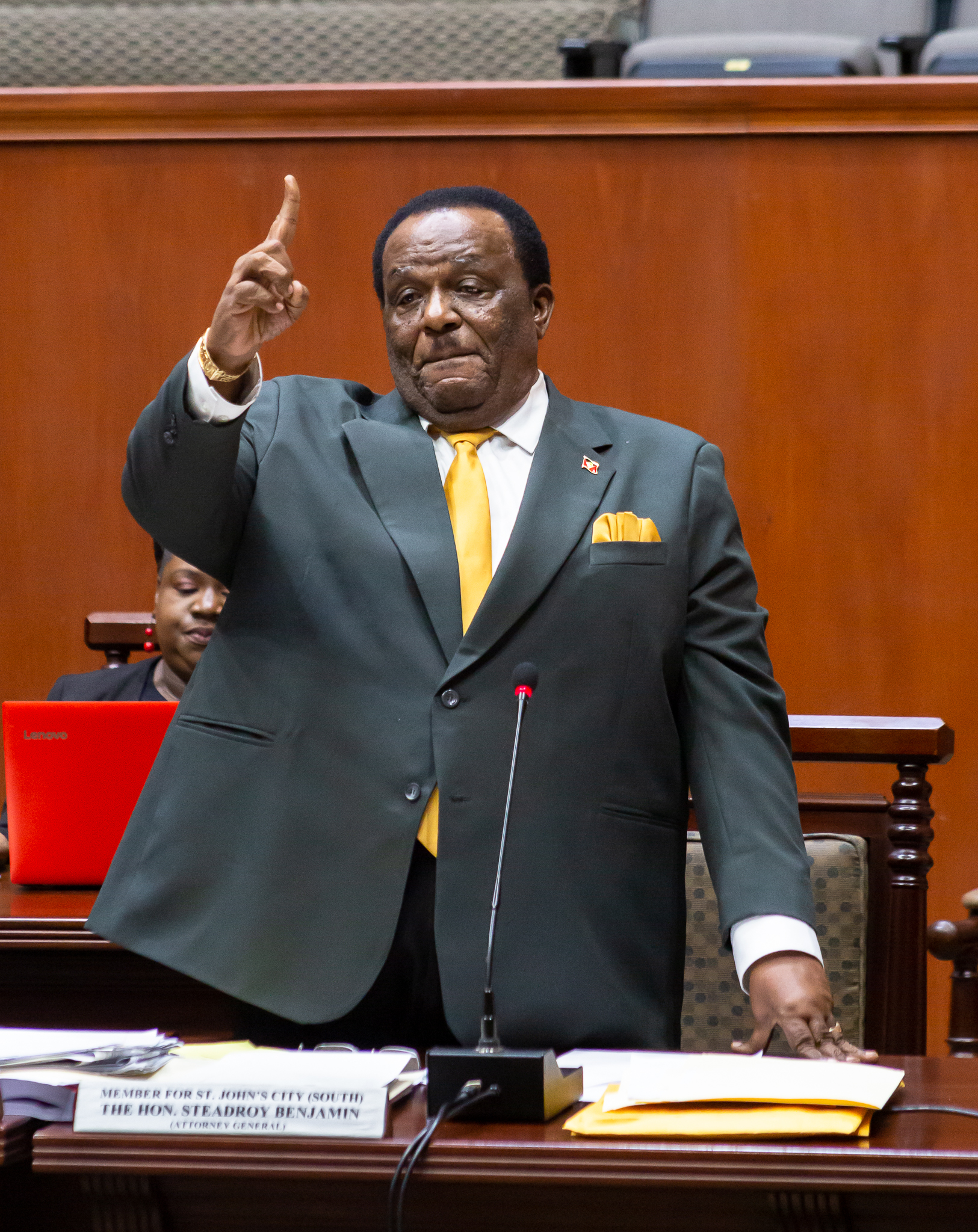

He is right about that. The ministry of health needs to bring back Dr Benjamin at Clare Vue