












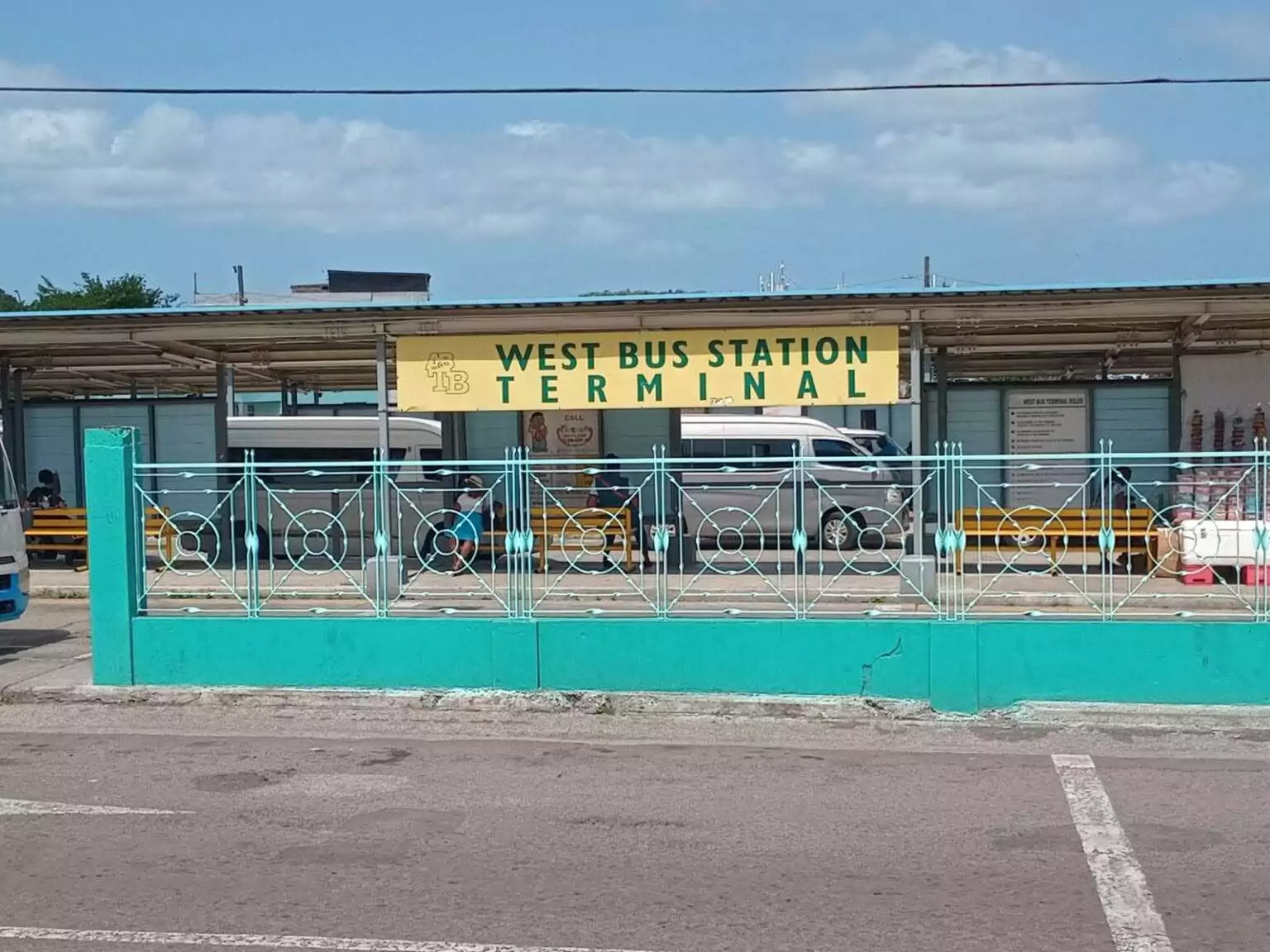
Bus drivers operating from the West and East Bus Stations are calling for an immediate increase in fares, saying they can no longer absorb rising operating costs while charging rates that have remained largely unchanged for more than two decades.
Former Antigua and Barbuda Bus Association President Glenn Miller said operators are seeking an increase of between 50 and 75 cents across all routes.
Miller said the cost of staying in the bus business has increased significantly over the years, pointing out that a bus which cost about $80,000 in 2014 now carries a price tag of roughly $190,000.
He said the association has been discussing a fare increase for at least two years with Transport Board Manager Hubert Jarvis and Tourism Minister Charles “Max” Fernandez, but those discussions have so far failed to produce a change.
Miller, who operates the St. John’s to Jolly Harbour route, said fares on the route range from $2.25 to $3.75. According to him, even with a full load, a trip can bring in barely $42 before expenses are taken into account.
Other operators say they are facing the same financial pressure.
One English Harbour bus driver, who has been in the business for 27 years, said fares have remained unchanged for about two decades while the cost of purchasing and maintaining a bus, insurance and spare parts has continued to rise.
Drivers at the East Bus Station expressed similar frustration, saying they too have gone more than 20 years without a fare adjustment.
Adding to their concerns is the end of a fuel subsidy that helped operators cover part of their daily fuel expenses during and after the COVID-19 pandemic.
Drivers said the assistance was discontinued about a year ago without an explanation, leaving them to shoulder the full cost of fuel once again.

They also pointed to the reduced fares paid by children between the ages of two and 12, who pay 50 cents less than the regular fare. Operators argue that they have effectively absorbed that difference for years.
At the West Bus Station, drivers also raised concerns about the condition of the terminal.
Operators pay a $5 entrance fee each day to work from the station, but some questioned where that money is going, citing poor maintenance, inadequate shelter from rain and sun, problems with bathroom facilities and the absence of proper areas to wash buses or rest between trips.
Miller said close to 140 buses use the West Bus Station daily and argued that the entrance fees collected over the years amount to a significant sum.
Conditions at the East Bus Station were also highlighted, with drivers there operating from an open lot without a covered terminal building.
Miller said creating a public transportation system with the scheduled and frequent service found in some other countries would likely require the government to take over bus operations or a private company to buy out existing operators.
He acknowledged, however, that either option would be expensive and complicated.
Efforts to reach Transport Board Manager Hubert Jarvis by cellphone and through the Transport Board office were unsuccessful.
For the drivers, the immediate issue remains the fare structure. After more than 20 years without an increase, they say an adjustment is long overdue as the cost of keeping buses on the road continues to climb.
This article was adapted from original reporting by Sharon Simon, Antigua Observer by Newsco



Who have Milker authority to talk on them bus drivers behalf
You should have asked when transport board went up on inspection. Gas prices, insurance, service to keep it running, bills, and your time.
Them bus drivers too wicked! No wonder people buying cars and begging duty free
I was in Antigua recently and I could not believe how cheap bus fares were.
Very soon nobody will ride you all dirty stinking buses because greediness have you all going