












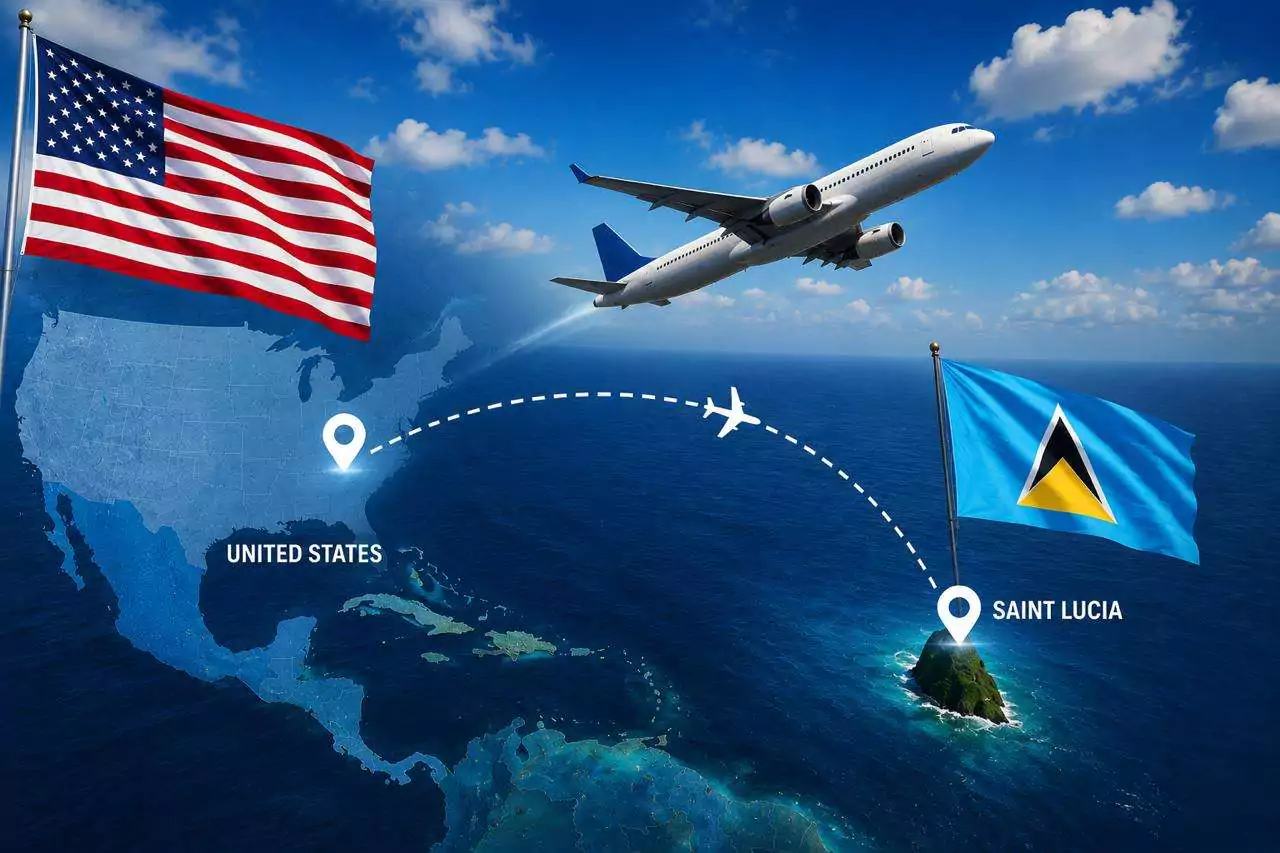
Saint Lucia is preparing for the first real test of its controversial migration agreement with the United States, with six third-country nationals expected to arrive on the island this week.
The group, five men and one woman, will be the first accepted under a two-year pilot programme that allows Washington to propose the transfer of certain migrants to Saint Lucia. The nationalities of those expected to arrive have not been disclosed.
Their impending arrival comes amid lingering public questions about how the programme will operate, including where participants will live, what legal status they will have in Saint Lucia and how much the arrangement could ultimately cost.
The government has issued a series of statements seeking to clarify the agreement and push back against suggestions that the United States has unrestricted authority to transfer migrants to the country.
Under the arrangement, US authorities may propose up to 10 people every quarter, potentially bringing the number to 40 annually. Saint Lucia, however, retains the authority to review each proposed transfer and reject individual cases.

Officials have stressed that those accepted are not being sent to Saint Lucia to serve prison sentences and will not automatically qualify for permanent residence or citizenship.
Unaccompanied minors, Saint Lucian nationals and people known to have criminal records, other than immigration-related offences, are reportedly excluded from the programme.
The International Organization for Migration is expected to provide support, while voluntary return to a participant’s country of origin is among the possible outcomes.
Attention is also turning to who will pay for the programme.
Saint Lucia has asked the United States to provide financial support, maintaining that local taxpayers should not be left carrying the cost and that funding for services provided to citizens should not be diverted to accommodate the arrangement.
Financial negotiations are continuing, but neither the amount requested by Saint Lucia nor the expected overall cost of the programme has been publicly disclosed.
With the first six arrivals now imminent, the programme is moving beyond government assurances and written agreements into implementation — a stage likely to bring even greater public scrutiny over its cost, operation and impact on Saint Lucia.





When Antigua getting theirs
Antigua already received their first batch of deportees immigrants. Antigua is not a country of good record when it comes to transparency to its citizens.