












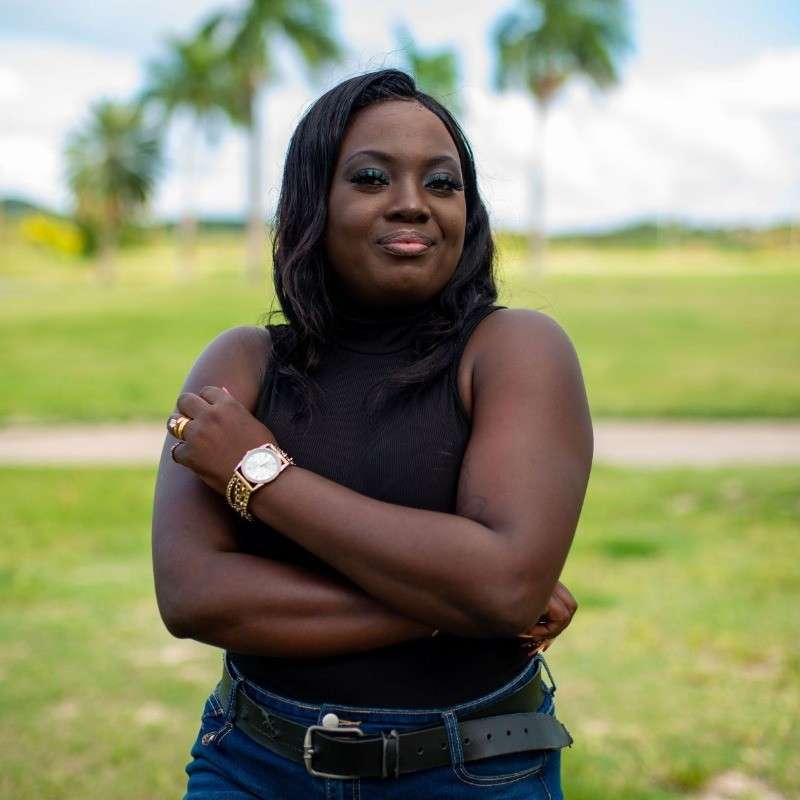
Chaneil Imhoff, Founder of WISH
Nearly 300 reports of child abuse recorded in Antigua and Barbuda so far this year are prompting renewed calls for the country to look beyond immediate intervention and confront the lasting psychological impact abuse can have on survivors.
The Wadadli Initiative for Self-care and Healing (WISH) says the 287 reports recorded this year, including approximately 30 involving sexual assault, should form part of the national conversation taking place during Suicide Prevention Month.
The organisation is urging greater attention to the connection between childhood trauma, mental health and suicide prevention, particularly as the country begins a series of discussions on child protection.
The figures were disclosed during the first National Child Protection Town Hall, where survivors also spoke about experiences of abuse, victim-blaming, disbelief and failures within systems intended to protect them.
WISH Founder Chaneil Imhoff said the effects of those experiences can extend well beyond childhood, especially when survivors do not receive adequate protection, justice or psychological support.
“When survivors tell us that they were abused, silenced, blamed or left unprotected, we must understand that these are not simply stories about the past,” Imhoff said.
“They are accounts of wounds that can follow people into adulthood when there is no safety, justice or meaningful support. We cannot say that we care about suicide prevention while dismissing the trauma that can contribute to emotional distress and hopelessness.”
WISH noted that childhood sexual abuse is considered a serious adverse childhood experience and can be associated with depression, post-traumatic stress and an increased risk of suicidal thoughts or attempts.
However, the organisation stressed that suicide is complex and cannot generally be attributed to a single experience. It also cautioned against assuming that every survivor will experience the same psychological effects.
While welcoming the Ministry of Social and Urban Transformation’s national child-protection town halls, WISH said the discussions must ultimately result in measurable changes.
Among the measures being advocated are greater access to confidential and trauma-informed mental-health services, stronger protections for children who disclose abuse and clearer reporting and referral procedures within schools, churches, healthcare facilities, sporting organisations and other institutions that interact with children.
The organisation is also calling for psychological support for survivors throughout investigations and court proceedings, stronger accountability where suspected abuse is not properly reported or addressed, and sustained investment in child-protection agencies and professionals.

WISH wants greater public education surrounding grooming, consent, warning signs and the reasons children may delay disclosing abuse.
It also believes consideration should be given to how the National Sex Offender Register can be more effectively used to protect children and prevent convicted offenders from gaining access to vulnerable groups.
The organisation placed particular emphasis on ending victim-blaming, arguing that children should never be held responsible for sexual abuse committed against them.
It said questions about what a child was wearing, why the child did not immediately disclose the abuse, whether the child appeared mature or why contact with an alleged perpetrator continued can further harm survivors.
Fear, manipulation, threats, dependency and shame are among the reasons WISH said children may remain silent, delay telling someone what happened or even withdraw an allegation.
“Survivors should not have to present their pain perfectly in order to be believed,” Imhoff said.
“Our first response should not be suspicion or interrogation. It should be safety, compassion and access to appropriate help.”
She added that blaming survivors can effectively transfer the shame associated with the abuse from the perpetrator to the person who was harmed.
WISH said Suicide Prevention Month should also encourage a broader examination of whether communities and institutions have created environments in which people feel safe seeking help.
Simply telling people experiencing emotional distress to “reach out” is insufficient, the organisation argued, if they fear being shamed, exposed, blamed or ignored when they do.
It said prevention must include recognising changes in a child’s behaviour, taking disclosures seriously, reporting concerns and continuing to support survivors after the immediate attention surrounding a case has subsided.
WISH is now urging the Government, schools, churches, civil society organisations, families and the wider public to treat mental health and child protection as interconnected national priorities.
The organisation said the ongoing town halls provide an opportunity for Antigua and Barbuda to identify weaknesses in its child-protection systems and challenge attitudes that can discourage survivors from speaking out.
As the country observes Suicide Prevention Month, WISH said the national discussion should ultimately consider whether children and survivors feel safe enough to disclose what has happened to them and adequately supported afterward.
“Silence protects perpetrators, not children. Compassion supports survivors. Action saves lives,” the organisation said.



Is it that these incidents were under reported before cause I just find that those numbers have been really high as of the past couple years