












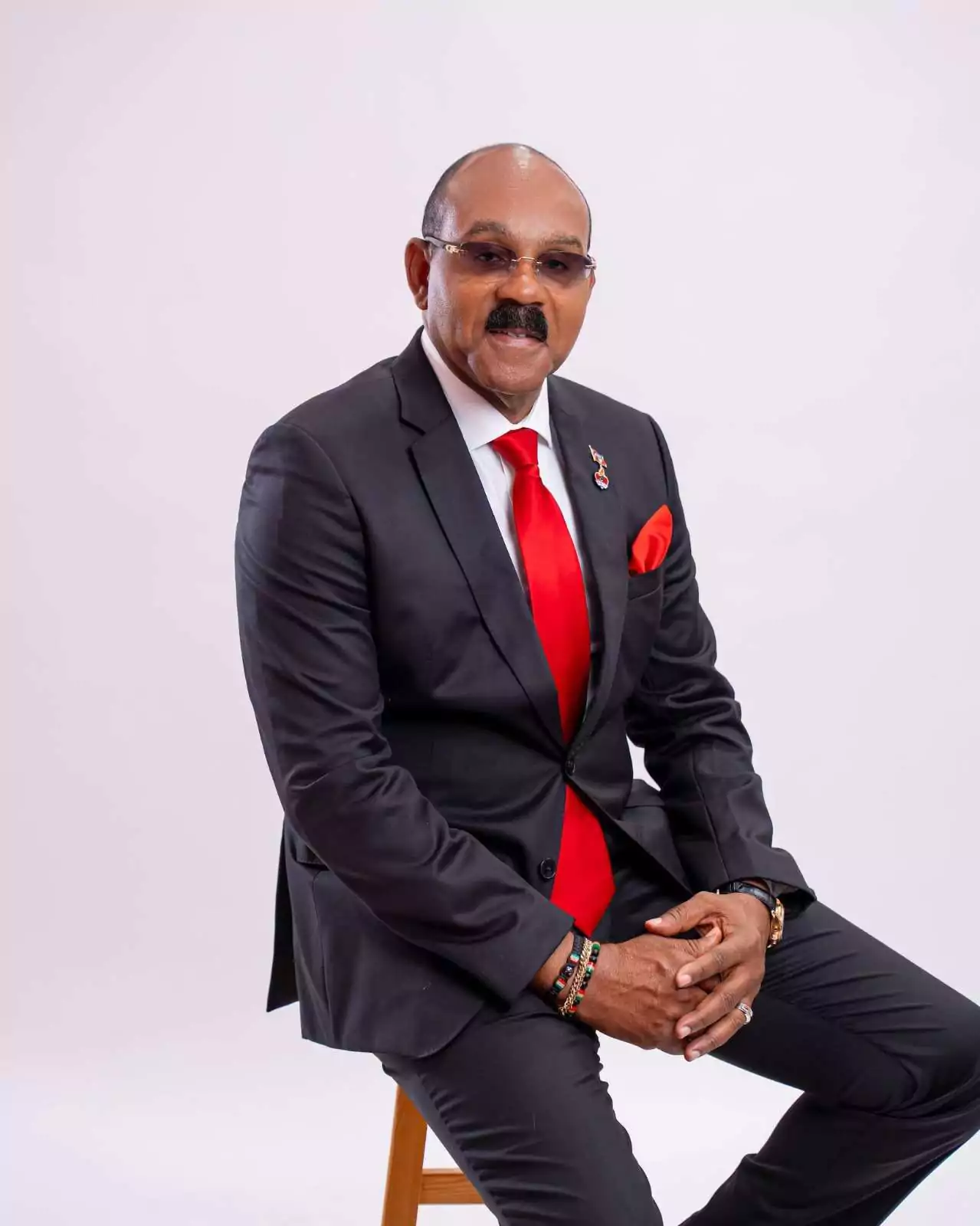
PM Gaston Browne
Prime Minister Gaston Browne is expected to highlight Antigua and Barbuda’s efforts to expand access to eye care at a development forum in New York on Wednesday, September 23, during the 81st United Nations General Assembly.
Browne will take part in From Evidence to Impact: Making Eye Health a Development Priority, a session hosted by Devex in partnership with RestoringVision. The discussion will focus on how governments can turn evidence about the benefits of vision care into services that reach more people.
“Good vision has implications far beyond the health sector,” Browne said ahead of the event. “It affects a child’s ability to learn, an adult’s ability to work productively and a family’s ability to improve its economic circumstances.”
The Prime Minister is expected to discuss why Antigua and Barbuda has made vision care a priority and how partnerships can help deliver screening, corrective eyewear and treatment. The organisers have identified the country’s programme as an example of government action to improve access.

The session will also consider the economic effects of uncorrected near-vision impairment. According to the event brief, more than 826 million people worldwide live with the condition, which can affect work, income and opportunities for advancement.
“The challenge for governments is not simply to acknowledge a problem, but to act upon the evidence,” Browne said. He argued that affordable measures, including access to reading glasses, should be made available through effective partnerships and delivery programmes.
Keisha McGuire, RestoringVision’s chief global affairs officer, is also scheduled to participate. Organisers say the forum will help build momentum ahead of the Global Summit for Eye Health.
Browne is leading Antigua and Barbuda’s delegation to UNGA81, which includes Foreign Affairs Minister E.P. Chet Greene, Health Minister Michael Joseph and the country’s Permanent Representative to the UN, Ambassador Walton Webson.




It is good to see Antigua and Barbuda highlighting eye care internationally. At the same time, what matters most is ensuring that these programmes reach ordinary people at home, especially those who cannot easily afford screenings, glasses, or specialist treatment.