
The Start of the Extreme UV Radiation Season in Antigua and Barbuda: March to September

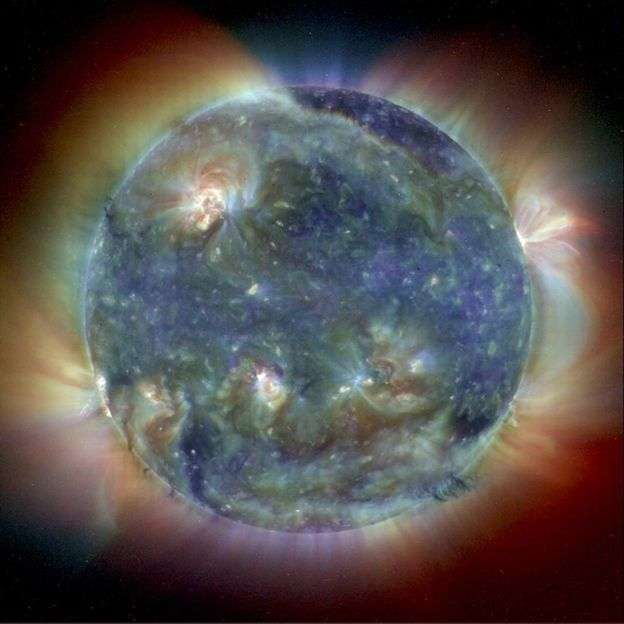
The sun, our ultimate source of energy, provides warmth and light essential for life. However, it also emits ultraviolet (UV) radiation, which, while beneficial in small amounts, poses serious health risks with excessive exposure.
In Antigua and Barbuda, we are now entering the Extreme UV Radiation Season—March to September—the period when the UV Index (UVI) frequently reaches 11+ or extreme levels. During this time, the risk of sun-related ailments, including skin cancers (deaths), is at its highest.
Understanding UV Radiation
UV radiation comes from the sun and is categorized into three types: UVA, UVB, and UVC. Fortunately, UVC is completely absorbed by the ozone layer and does not reach the Earth’s surface.
UVA and UVB penetrate the atmosphere and can cause harm. Although about 90% of UVB is also absorbed by the ozone layer, it is still strong enough to cause significant damage to human skin and eyes.
The Dangers of Extreme UV Radiation
Prolonged exposure to UV radiation can lead to a variety of health issues, including:
Sunburn
Skin cancer
Premature aging
Eye damage (including cataracts)
Weakened immune system
Heat-related illnesses
Freckles
Liver spots
Who Is Most Vulnerable?
While everyone is susceptible to UV-related health risks, the following groups face the highest risks:
Children
People with fair skin
Individuals with a history of skin cancer
Those with weakened immune systems
Outdoor workers
People living at higher elevations
UV Risks for Darker Skin
It is a common misconception that individuals with darker skin are immune to UV damage. Although melanin offers some natural protection, it does not eliminate the risks.
Black people can still develop skin cancer, hyperpigmentation, and premature aging due to UV exposure, making sun protection necessary for everyone.

How to Protect Yourself
UV-related health issues are largely preventable through simple protective measures:
Wear protective clothing (long sleeves, wide-brimmed hats, and sunglasses)
Use sunscreen (SPF 30+ and broad-spectrum protection)
Seek shade (especially between 10 AM and 4 PM)
Avoid tanning beds
Be mindful of medications that increase UV sensitivity
Check the UV Index daily
The UV Index (UVI)
The UV Index is a scale that measures the strength of UV radiation. In Antigua and Barbuda, UVI levels generally range from 7 (high) in December to 13 (extreme) in April. Here’s what each UVI level means:
0-2: Low risk
3-5: Moderate risk
6-7: High risk
8-10: Very high risk
11+: Extreme risk (highest danger for UV-related health issues)
The Extreme UV Radiation Season: March to September
During March to September, Antigua and Barbuda experiences its highest levels of UV radiation. On an average monthly basis, the UVI reaches 11+ (extreme), making this the most dangerous period for UV-related health issues.
Unfortunately, UV radiation cannot be forecast beyond a few days, so we cannot predict if this season will be above, near or below normal in intensity.
However, what is certain is that this period carries the highest risk of sun-related ailments, including skin cancer and eye damage.
UV Radiation vs. Heat Impacts
While both heat and UV radiation come from the sun, they affect humans differently:
Heat impacts refer to high temperatures causing heat exhaustion, dehydration, and heatstroke.
UV radiation impacts result from prolonged exposure to damaging UV rays, leading to sunburn, premature aging, and skin cancer.
Taking precautions against both is essential for protecting your health.
Conclusion
As we enter the Extreme UV Radiation Season (March–September) in Antigua and Barbuda, it is crucial to stay informed and take protective measures against the sun’s harmful rays. Although the sun is vital for life, its UV radiation can pose serious health risks if precautions are not taken.
By following simple safety steps like using sunscreen, wearing protective clothing, and checking the UV Index, we can enjoy the outdoors safely while minimizing health risks.
This story was first published by Antigua News on : antigua.news/2025/03/02/the-start-of-the-extreme-uv-radiation-season-in-antigua-and-barbuda-march-to-september. © 2025 Antigua News. Republication without permission is not allowed.
About the author
The Editorial Staff refers to all reporters employed by Antigua.news. When an article is not an original creation of Antigua.news—such as when it is based on a press release, other media articles, letters to the editor, or court decisions—one of our staff members is responsible for overseeing its publication.
Read our editorial standards and corrections policy. Spotted an error? Contact the newsroom.
More from Antigua and Barbuda
View section
Antiguan Diplomat Claxton Duberry Chairs UN Security and Disarmament Session
The First Secretary at Antigua and Barbuda’s UN mission highlights the role of small states in shaping responses to global security challenges.
By Shermain Bique-Charles

Seven Government Nurses Among UWI Five Islands’ First Public Health Master’s Graduates
Minister Michael Joseph says scholarship support is strengthening healthcare expertise as eight professionals complete the programme.
By Shermain Bique-Charles

Browne Outlines Storage, Abattoir and Water Projects to Strengthen Food Supply
Prime minister says government is combining support for farms with infrastructure needed to store, process and market local production.
By Shermain Bique-Charles

Minister Freeland Represents Antigua and Barbuda at Annapolis Sailboat Show
Minister of State in Tourism joins the international sailing gathering in Maryland, highlighting Antigua and Barbuda’s appeal as a yachting destination.
By Shermain Bique-Charles
Comments (4)
Juju Bee March 2, 2025, 7:59 PM
Curious March 2, 2025, 8:17 PM
Luka Johnson March 2, 2025, 8:32 PM
Robert March 2, 2025, 8:51 PM