


















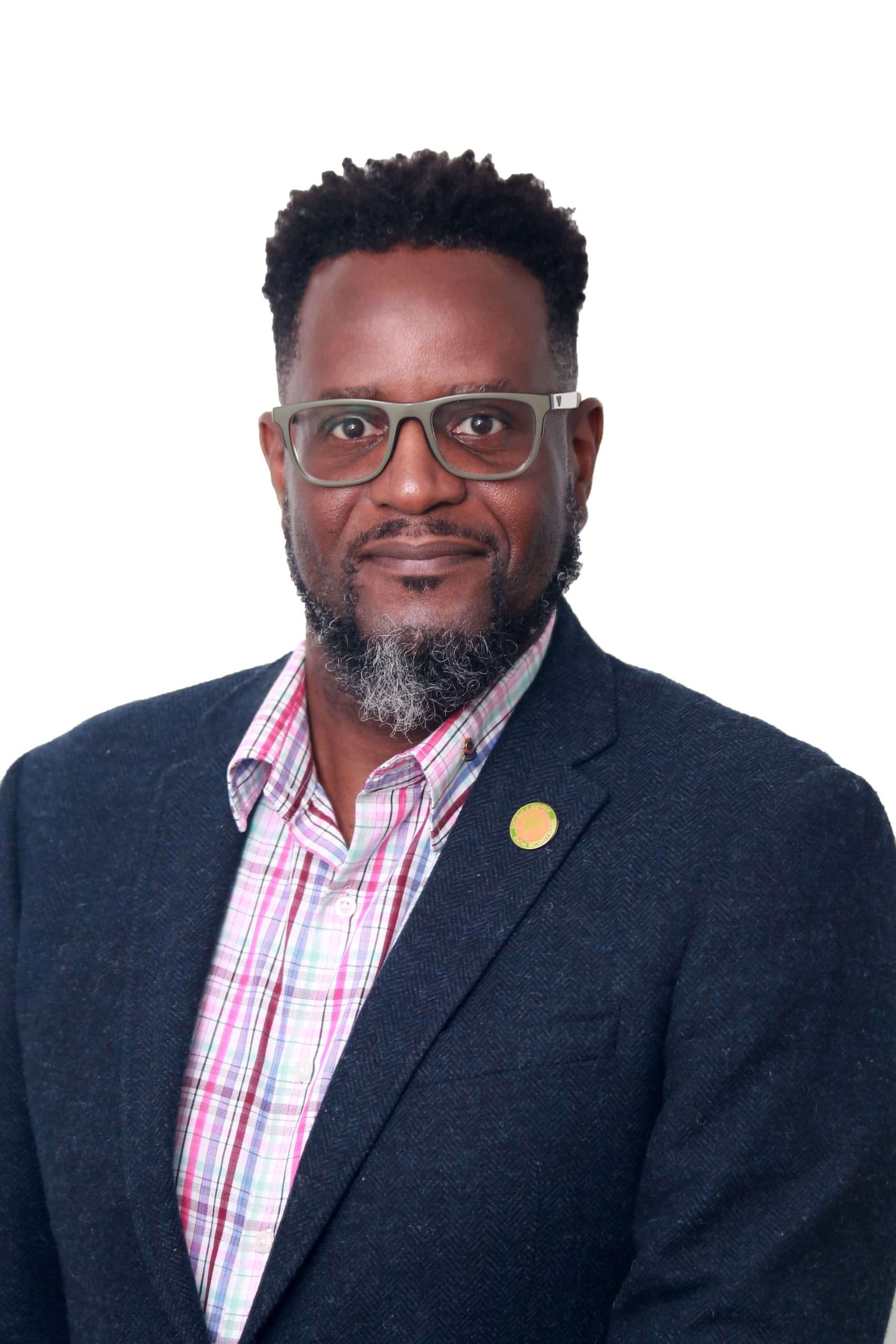
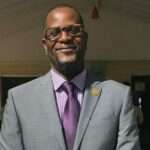
David Matthias – Director of Social Security Board (photo by socialsecurity.gov.ag)
The head of the Antigua and Barbuda Social Security Board has sounded a sharp warning to lawmakers: act now, or the scheme could buckle under pressure in just a few years.
Director David Matthias made a rare appearance before the Lower House on Monday, where he urged MPs to throw their support behind the Government’s latest investment plan for the Board.
He explained that unless its portfolio is strengthened, Social Security could fall into what he called a “forced disequilibrium” by 2030 a situation where too few people are paying in, while pension payouts keep rising.
A significant point of tension emerged when Prime Minister Browne requested that Social Security Director David Matthias address Parliament directly on the issue.
The request sparked immediate objections from opposition members, who challenged the constitutional propriety of allowing a non-elected official to participate in parliamentary debate.
Member for St. Philip’s South Sherfield Bowen raised the loudest objection, arguing that the standing orders explicitly restrict parliamentary participation to elected members.
“The standing orders of this House speak to visitors. Visitors must preserve silence in the House. There is no provision in the standing order for visitors to come in and adjust the House. Where do we get permission for non-members not elected to the House to adjust the House?” he questioned.
Despite continued objections from the opposition, the Social Security Director was allowing via a motion to present his assessment.

Matthias delivered a strong warning about the scheme’s financial trajectory, emphasizing that Social Security’s single fiduciary responsibility is ensuring fund solvency beyond the current operating year.
“If you go to the tenth, the eleventh, and the twelfth actuarial reports, what is clearly stated there is this: contributions at their current levels will reach a level of forced disequilibrium by 2029, the latest 2030,” he stated.
The Director explained that without alternative investment returns, additional parametric changes would again be necessary by 2030.
“I do not believe that the economic space exists for a consideration of contribution rates in excess of 20%. I do not believe that there is appetite among the people of Antigua and Barbuda for pension ages in excess of 67 approaching 70 years,” Matthias warned.
But with Antigua and Barbuda currently having 12,000 pensioners supported by only 47,000 contributors, falling well short of the recommended 10-to-1 ratio for viable social security systems, a failing birth rate among Antiguans, the Director stressed the urgency of implementing diversified investment strategies, stating that the current approach of primarily investing in cash deposits yielding less than inflation rates was causing the fund to lose value rather than gain it.


47,000 contributors vs 12,000 pensioners is a red flag. We’ve been warned for years that the system was unsustainable, and now we’re staring down the barrel. Kudos to Matthias for speaking plainly, now let’s see if Parliament has the guts to act.
Whether or not Matthias should’ve addressed Parliament is a side issue. The real story is that we’re running out of time to fix Social Security. We can’t keep hiding behind procedural debates while the fund collapses.
Thanks for painting this picture cause I really don’t want the pension age to increase. I want to enjoy my money while I can still dance and walk
How did we reach this point? Poor management, delayed reforms, and political interference are to blame. Those responsible should be held accountable, not the ordinary workers.
The Government of Antigua and Barbuda needs to remit the remittances for all public sector workers and this should revitalize the scheme.
The private sector alone cannot carry the scheme anymore with so many workersnin the public sector.
Some form of cash injection is needed to sustain the scheme.
I am glad to hear someone speaking out and it hurts even those who get really sick and are actually looking out for their claims and have to wait a whole year and a half to receive their claims