












By Edellia Bontiff
After more than five decades of advocacy, Antigua and Barbuda has opened a dedicated Sickle Cell Unit, ushering in a new era of specialised and holistic care for people living with the disease.
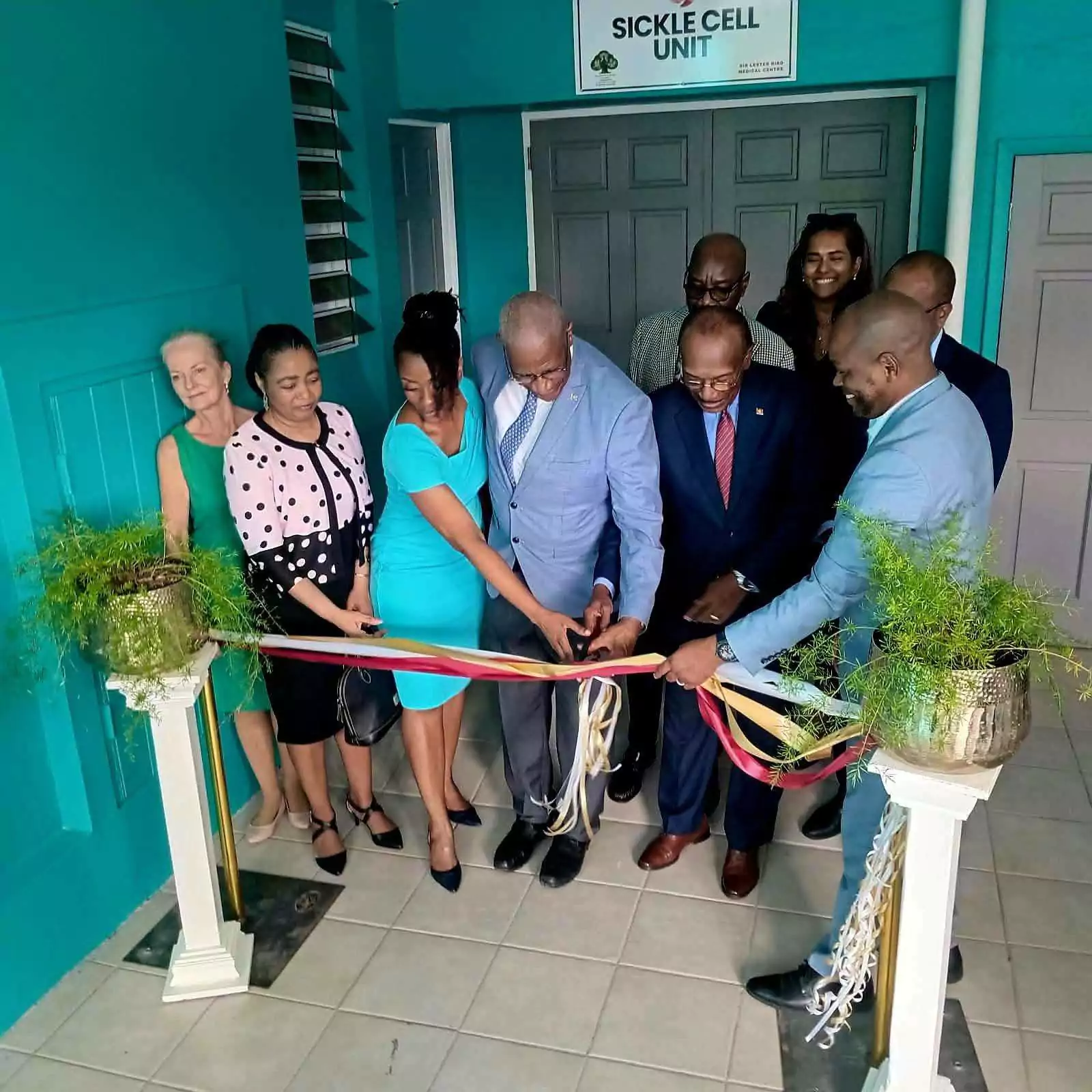
The long-awaited facility was officially opened at the former Holberton Hospital compound on Sunday, August 17, in what health officials described as a monumental development for the country and a significant achievement within the English-speaking Caribbean.
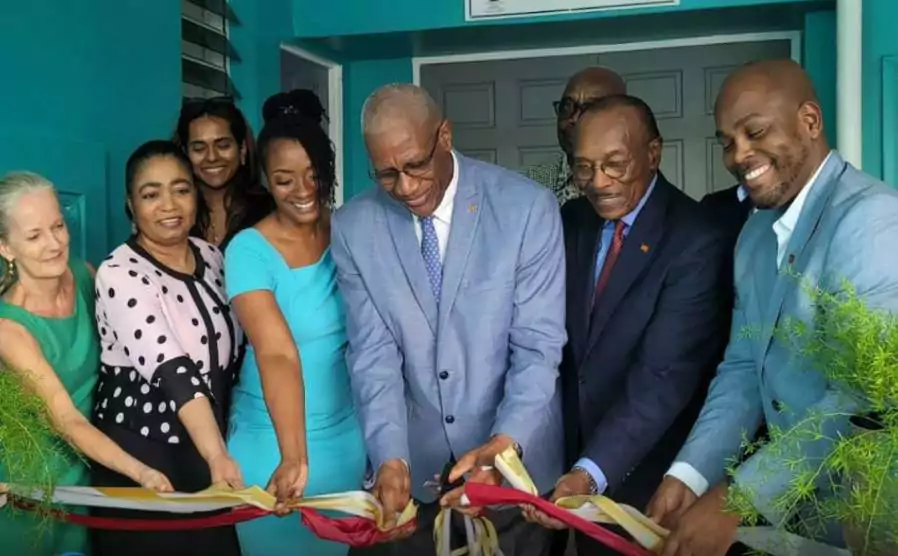
Governor General Sir Rodney Williams, Minister of Health Michael Joseph, Medical Director of the Sir Lester Bird Medical Centre Dr Shivon Belle-Jarvis, President of the Antigua and Barbuda Sickle Cell Association Dr Edda Hadeed and Sickle Cell Unit Coordinator Dr Veena Vignarajah attended the launch alongside healthcare professionals and invited guests.
For patients and advocates who spent years calling for a specialised centre, the opening represents far more than the addition of another healthcare facility. It marks a decisive shift away from fragmented, crisis-driven treatment towards prevention, early intervention, education, counselling and coordinated patient support.
“The mountain has finally moved considerably,” Dr Hadeed declared as she reflected on more than 50 years of advocacy for people affected by sickle cell disease.
She recalled a time when the condition was largely hidden, heavily stigmatised and poorly understood. Although public awareness has improved, Hadeed said patients continue to face serious physical, emotional and socio-economic challenges through no fault of their own.
She stressed that they deserve dignity, respect, meaningful inclusion and access to healthcare professionals who understand both the medical complexities of the disease and the daily realities of living with it.
Hadeed welcomed the unit as an opportunity to provide the combination of expertise, teamwork and compassion required for effective sickle cell management.
She also expressed hope that Antigua and Barbuda’s facility will eventually become a model for other small Caribbean states where sickle cell disease remains a major concern but specialised services are limited.
“We have to get it right,” she said.
Dr Belle-Jarvis described the unit’s establishment as the beginning of a broader journey towards excellence in healthcare.
She identified universal newborn screening and dedicated treatment centres as two initiatives capable of significantly improving the lives of people with sickle cell disease.

Early diagnosis allows healthcare professionals to begin monitoring children before serious complications develop, introduce preventative measures and provide families with the information needed to manage the condition.
Dr Belle-Jarvis said research has also demonstrated that dedicated sickle cell centres can reduce complications and hospital readmissions by facilitating earlier intervention and more consistent patient management.
The result, she said, can be a better quality of life and improved productivity for patients who may otherwise face repeated and debilitating health crises.
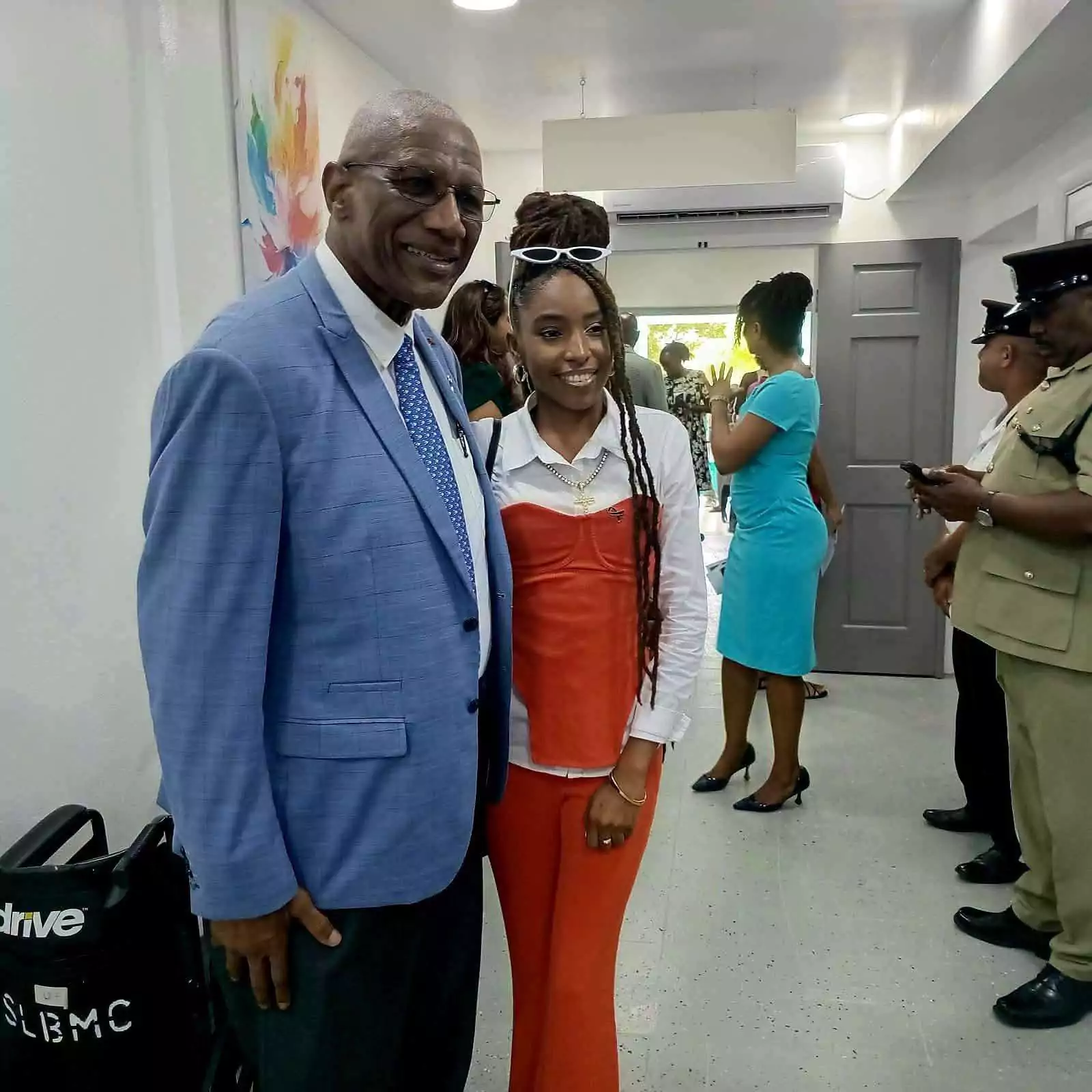
Health Minister Michael Joseph said the new unit brings to fruition a vision he first encountered while serving as a junior minister.
That early involvement, he explained, gave him a direct understanding of the urgent need for a dedicated space where people living with sickle cell disease could receive appropriate treatment and support.
Now, having returned to the initiative as Minister of Health, Joseph said the facility represents a fundamentally new approach to managing the condition.
It will not be limited to treating patients when they arrive in severe pain. Services will include prevention, education, therapeutic guidance, counselling and ongoing support for patients and their families.
“Prevention must be at the centre of what we do,” Joseph stressed.
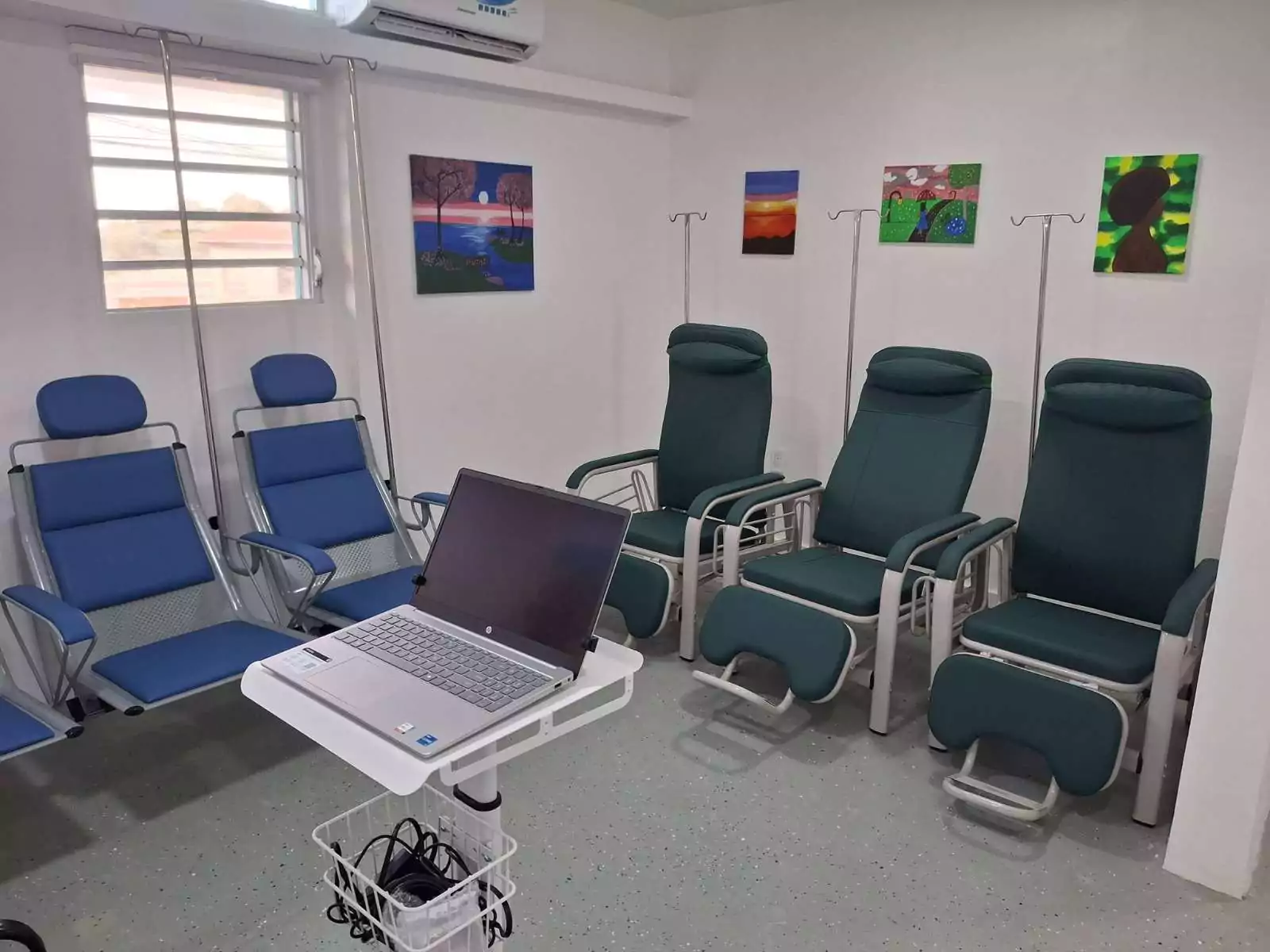
Patients experiencing sickle cell crises will be treated in a dedicated environment by trained healthcare professionals. Those requiring intensive care or multidisciplinary intervention will be referred to the Sir Lester Bird Medical Centre.
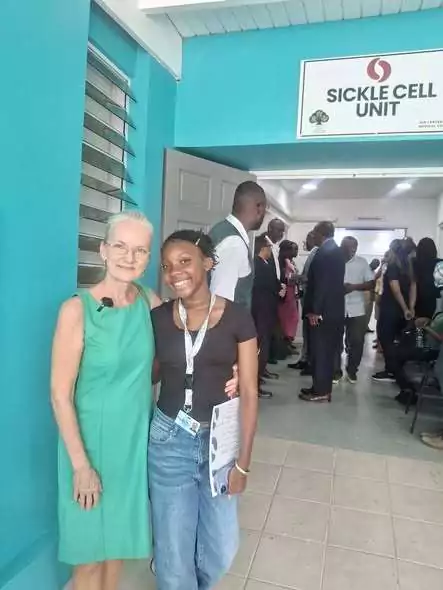
Joseph also underscored the need for continued investment in specially trained doctors, nurses and other healthcare workers. He said quality care must address not only the clinical condition but also the lived experiences and emotional needs of patients.
The ceremony ended with the official ribbon-cutting, followed by a tour led by Dr Vignarajah and members of the healthcare team.
The opening closes one chapter of a decades-long struggle for recognition and specialised care, but health officials and advocates acknowledge that much work remains.
For patients who have long endured painful crises, stigma and inadequate support, however, the new unit represents something powerful: recognition, dignity and renewed hope that they will no longer have to face the disease alone.


More than 50 years of advocacy. Imagine the people who started this fight and didn’t live to see this day. This is truly a meaningful achievement.
One of the best healthcare developments I’ve read about in Antigua and Barbuda for a while. Now please make sure it remains properly staffed, equipped and funded.
This is really good for the people who benefit from the service
As much as i am glad this is here, for health, i hope i never have to, wanna stay well but, damn am glad this is now a thing, hoping for bigger n better for other ailments soon too